



WHEN BUILDING A BETTER BODY BECOMES A DANGEROUS GAME
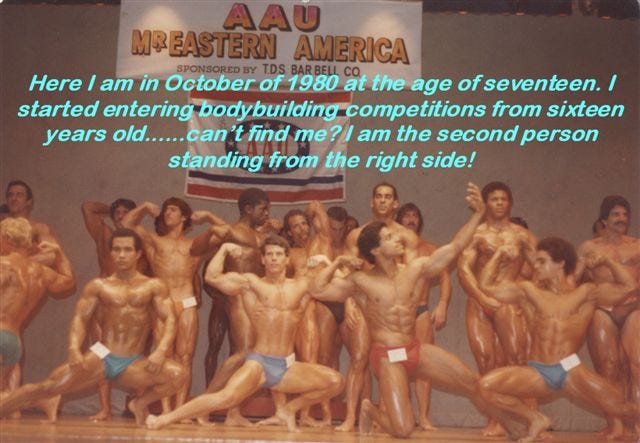
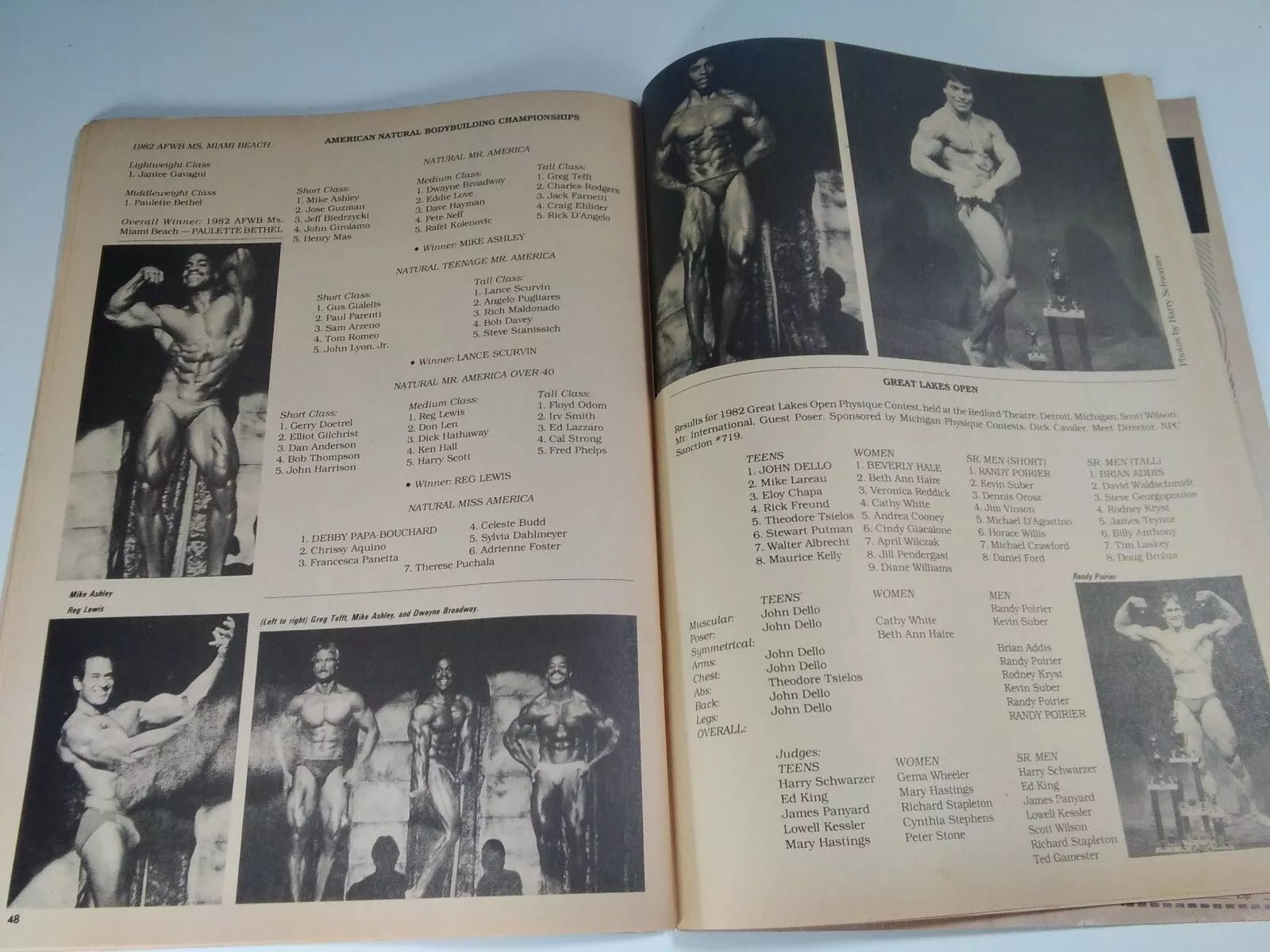
There was a time when I looked at bodybuilding as one of the greatest demonstrations of human discipline, patience, and determination. I saw it as an opportunity to take the body I was born with, challenge its limitations, and transform it through hard work, proper nutrition, dedication, and consistency. I began competing at 16 years old, and by the time I reached 22, I had already experienced the thrill of competition, the satisfaction of winning trophies, magazine coverage, and recognition throughout the tri-state area. I even won a national title in a natural bodybuilding show, and I accomplished those things without taking anabolic steroids. I knew what it meant to work for a physique rather than look for a shortcut to create one.
But as the years have passed, my understanding of bodybuilding has grown beyond the trophies, the posing routines, the massive muscles, and the excitement of competition. I have watched people enter the sport with tremendous ambition, only to become caught up in a culture where bigger is never big enough, leaner is never lean enough, and the body they have worked so hard to build is somehow never good enough. I’ve seen people become involved with performance-enhancing drugs, and I’ve watched the pursuit of a particular appearance become more important than the health of the person underneath it. Those experiences have left me with questions that deserve honest answers.
Let’s be clear about something from the beginning. I’m not writing this because I hate bodybuilding, and I’m certainly not suggesting that everyone who lifts weights is putting their life in danger. Resistance training can improve strength, support bone health, help maintain muscle as we age, and contribute to better overall health. The problem begins when the desire to build an extraordinary physique turns into a willingness to gamble with the very body that a person claims to love. There’s a world of difference between training to become stronger and using dangerous substances to force the body beyond its natural limits.
One of the most troubling developments in competitive bodybuilding is the use of anabolic steroids and other performance-enhancing drugs to achieve a size, level of conditioning, or appearance that may be difficult or impossible for many people to reach naturally. I would never pretend to know the exact percentage of competitors using these substances across every division, because reliable figures are difficult to establish and drug use varies across the sport. However, my personal observations over the years have made me deeply concerned about how normalized these practices have become in some bodybuilding circles. When a young athlete starts believing that drugs are simply part of the price of admission, we have a serious problem that cannot be ignored.
This conversation isn’t about being politically correct, protecting the feelings of the bodybuilding industry, or making everybody comfortable. It’s about life, health, responsibility, and the message we’re sending to young people who look at muscular competitors and dream of becoming just like them. If you’re a teenager entering the gym, a parent watching your child become fascinated with bodybuilding, or an older man trying to regain his strength and vitality, you deserve to understand the difference between building muscle and putting your health at risk. We need to talk about what can go wrong, why people continue despite the dangers, and how we can pursue physical excellence without turning our bodies into experiments.
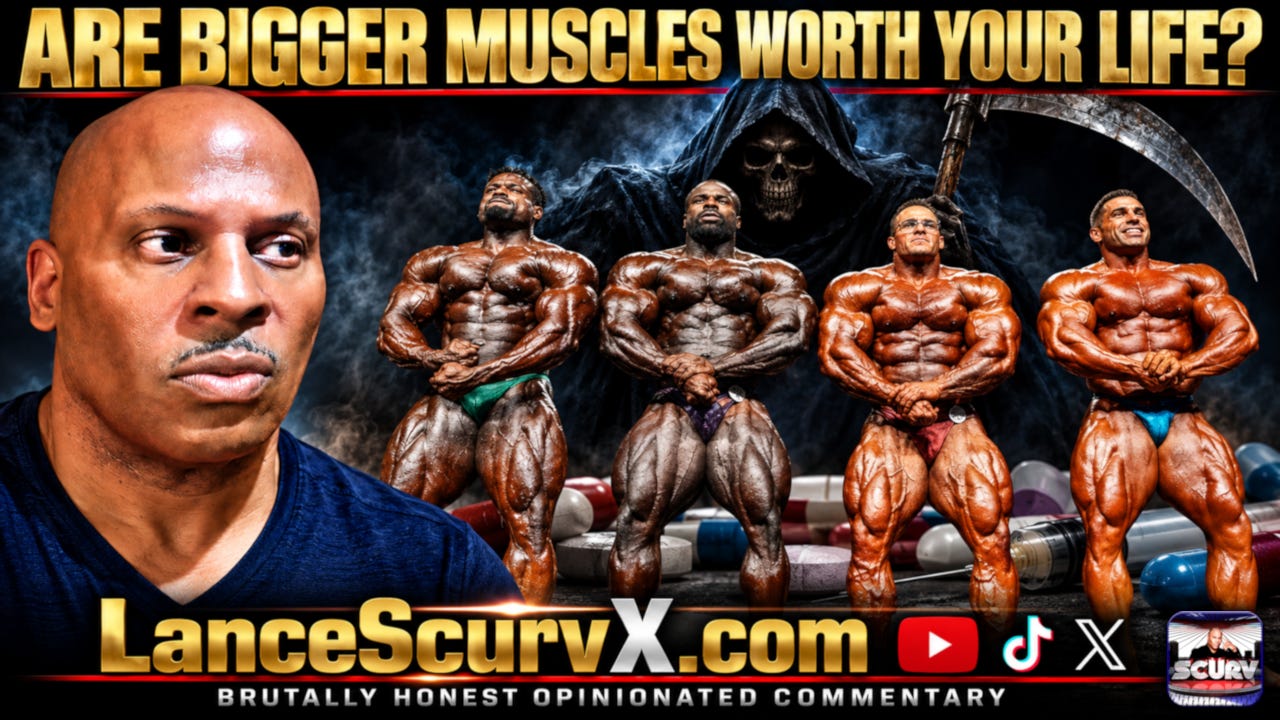
THE OBSESSION WITH EXTREME MUSCULARITY
One of the greatest dangers in modern bodybuilding is the gradual change in what people consider an acceptable physique. At first, someone may simply want to build a bigger chest, stronger arms, broader shoulders, and a muscular back. There’s nothing wrong with that ambition. The trouble starts when normal progress no longer satisfies the person, and every improvement creates a new demand for something more extreme. What began as a healthy interest in fitness can turn into an endless chase for a body that must constantly become bigger, harder, leaner, and more impressive.
Social media has intensified this pressure. Young men can scroll through endless images of competitors displaying massive muscles, extremely low body fat, and carefully staged physiques under professional lighting. What they don’t necessarily see is the years of training, the genetic advantages, the preparation behind the scenes, the possible use of performance-enhancing drugs, or the health problems that may be hidden from public view. They see the finished product and begin comparing it with their own bodies, often without understanding that they’re comparing completely different circumstances.
This creates a dangerous psychological trap. A man can become stronger, gain muscle, improve his health, and receive compliments from people around him, yet still believe that he’s falling short. His standards keep changing because the goal isn’t simply to become fit anymore. The goal becomes achieving an image that provides attention, approval, admiration, or a sense of personal superiority. Once that happens, the body can become a source of constant dissatisfaction instead of a source of pride.
The question we need to ask is whether the pursuit of physical perfection has become more important than the actual quality of life. If a man can’t enjoy his accomplishments because he’s always comparing himself with someone larger, what has he really achieved? If he feels compelled to take increasingly dangerous substances because his natural progress no longer satisfies him, has bodybuilding improved his life or taken control of it? These are uncomfortable questions, but discomfort is sometimes necessary when we’re examining behavior that can cause lasting harm.
ANABOLIC STEROIDS AND THE HEART THAT PEOPLE FORGET ABOUT
When most people look at a muscular bodybuilder, they focus on the muscles. They see the arms, chest, shoulders, legs, and abdominal definition. They rarely think about the heart working inside that body, the blood moving through its vessels, or the long-term effects that certain drugs may have on those systems. Yet the heart is one of the most important reasons we need to take performance-enhancing drug misuse seriously.
Anabolic steroids can increase muscle growth and strength, but nonmedical use can also raise blood pressure, worsen cholesterol levels, and contribute to changes in the structure and function of the heart. These substances can increase cardiovascular risks, including the risk of heart attacks and other serious complications. The danger is especially concerning when someone combines multiple drugs, uses them for long periods, or adds other risky practices to an already demanding training and competition routine. Medical research and professional cardiovascular guidance recognize the potential dangers of performance-enhancing drugs, particularly anabolic-androgenic steroids.
The frightening part is that a person may feel perfectly fine while some of these problems develop. He may still lift heavy weights, train intensely, and look powerful in the mirror. He may even feel more energetic or confident than he did before using drugs. But how a person feels on a particular day doesn’t reveal everything that’s happening inside his body. Looking healthy and being medically healthy are not always the same thing.
I’ve personally known people involved in bodybuilding who experienced serious health problems, and those experiences have stayed with me. I cannot claim that every heart attack or death associated with a competitor was caused by a particular substance without medical evidence. However, we don’t need to make unsupported claims to recognize that the risks are real. When a sport involves practices that can increase cardiovascular strain, we should be asking harder questions about safety, education, and responsibility.
The heart doesn’t care how many trophies you have on your shelf. It doesn’t care how many people admire your physique, how many followers you have online, or how much weight you can lift in the gym. Your heart has a job to do every minute of your life, and deliberately exposing it to unnecessary risks for the sake of an extreme appearance is a decision that deserves serious thought.
FROM STEROIDS TO GROWTH HORMONE AND INSULIN: WHEN ENOUGH IS NEVER ENOUGH
Another disturbing issue is the escalation that can occur when someone begins using performance-enhancing drugs. A competitor may start with anabolic steroids and later become interested in growth hormone, insulin, or other substances because he believes they will help him reach another level of muscular development. Each new substance introduces its own risks, and combining several drugs can make the overall picture more complicated and dangerous.
Growth hormone has legitimate medical uses when prescribed for appropriate conditions, but using it without medical need to pursue a bodybuilding appearance is not harmless. Misuse can cause problems involving blood sugar regulation, fluid retention, joints, and other body systems. Serious complications have also been reported in cases of growth hormone misuse. The fact that a substance is a hormone produced naturally by the body does not mean that taking additional amounts without medical supervision is safe.
Insulin is an even more alarming example because its role in controlling blood glucose is essential to survival. Some bodybuilders misuse insulin in attempts to influence muscle growth and nutrient storage. But insulin can drive blood sugar dangerously low, causing confusion, seizures, unconsciousness, coma, brain injury, or death. Medical reports have documented severe hypoglycemia in bodybuilders who used insulin for performance enhancement. This isn’t a harmless trick for building muscle. It’s a potentially life-threatening practice.
Think about what that means. A person may already have a powerful muscular body, but instead of accepting what he has achieved, he decides to introduce another substance that can cause a medical emergency if something goes wrong. He may convince himself that he understands the risks because he’s researched the drugs, spoken with other competitors, or followed a protocol shared in the gym. But familiarity isn’t the same thing as safety, and advice passed between bodybuilders is no substitute for qualified medical care.
This is where the culture of escalation becomes so dangerous. Every new drug can be presented as the missing piece that will finally deliver the desired physique. But there is always another level to chase, another competitor to surpass, and another physical standard to meet. At some point, the person must ask whether the next improvement is worth the additional risk. No trophy, photograph, or moment of admiration can guarantee that the consequences will remain manageable.
THE DANGERS OF DEHYDRATION, ELECTROLYTE IMBALANCES, AND EXTREME CONTEST PREPARATION
Building muscle isn’t the only challenge in competitive bodybuilding. Competitors may also feel pressure to arrive on stage with extremely low body fat, sharply defined muscles, and minimal visible water retention. The methods used to reach that condition can become dangerous when people turn to severe food restriction, excessive sweating, extreme fluid manipulation, or the misuse of diuretics.
Water and electrolytes are essential to normal body function. Sodium, potassium, and other electrolytes help regulate fluid balance, nerve signals, muscle contraction, and the electrical activity of the heart. When these levels become dangerously abnormal, a person can experience weakness, confusion, muscle cramps, abnormal heart rhythms, seizures, and other serious complications. Severe dehydration can also reduce circulating blood volume and place additional stress on the cardiovascular system.
The danger becomes greater when someone combines extreme dehydration with intense exercise, stimulant use, or drugs that alter fluid and electrolyte balance. Diuretics, for example, may be used improperly by competitors trying to reduce water retention before a show. That practice can create serious problems, especially when combined with aggressive fluid or sodium restriction. A competitor who believes he’s simply trying to look sharper may actually be placing his body under a dangerous level of stress.
This is why I want people to stop confusing the appearance of being stage-ready with the condition of being healthy. A bodybuilder can look spectacular under the lights while experiencing problems that are invisible to the audience. The judges see the physique presented to them, but they cannot determine someone’s electrolyte levels, heart function, kidney health, or blood pressure simply by looking at the person’s muscles.
There is nothing wrong with preparing carefully for a competition, eating well, training intelligently, and working toward a lean physique. The problem is treating dehydration, dangerous drug combinations, or extreme physical distress as acceptable sacrifices for a better presentation. If your preparation leaves you medically unstable, the price of looking good has become far too high.
THE PSYCHOLOGICAL HIGH OF GETTING BIGGER
We also need to examine the psychological side of performance-enhancing drug use, because the problem isn’t always limited to physical effects. Building muscle can provide confidence, purpose, and a sense of accomplishment. For many people, the gym becomes a positive place where they develop discipline and learn to work toward long-term goals. But those same rewards can become part of a cycle that makes it difficult for some individuals to step away from dangerous practices.
Imagine a competitor who begins using anabolic steroids and experiences rapid changes in his physique. His muscles grow, his strength increases, and people begin treating him differently. He receives compliments, attracts attention, and feels that he has finally achieved the image he wanted. Those rewards can reinforce his decision to continue, even when he begins experiencing unwanted effects. The problem is no longer simply about the substance. It’s also about what the substance appears to provide emotionally.
Now imagine what happens when that person tries to stop. He may worry about losing muscle, becoming smaller, losing attention, or returning to a body that no longer matches his ideal image. Some people experience withdrawal symptoms, including fatigue, reduced libido, anxiety, and depression. Anabolic steroid dependence is a recognized problem, and stopping after prolonged misuse can be difficult without appropriate support.
This is why I believe we need to talk about more than the physical dangers. We need to talk about identity, self-worth, and the fear of losing an appearance that has become central to a person’s life. When someone believes his value depends on being the biggest man in the room, he may feel threatened by the idea of becoming smaller, even if continuing to use drugs is damaging his health.
The important thing to understand is that not every competitor who uses steroids becomes dependent, and not everyone experiences the same psychological effects. But the possibility of dependence and withdrawal is real enough that we should never treat these substances casually. A person who feels unable to stop should be encouraged to seek medical and psychological support rather than being mocked or told to toughen up.
WHAT HAPPENS WHEN THE BODYBUILDER GETS OLDER?
Youth can create a dangerous sense of invincibility. When a person is young, he may recover quickly from hard workouts, sleep poorly without immediately noticing the consequences, and feel that his body can handle almost anything. If he uses performance-enhancing drugs and doesn’t experience an obvious medical emergency, he may begin believing that the warnings are exaggerated.
But the absence of immediate consequences doesn’t prove that a practice is safe. Some effects of prolonged drug misuse can develop over time, and certain problems may continue after someone stops using the substances. Potential complications include cardiovascular damage, hormonal disruption, fertility problems, liver or kidney injury, and mental health difficulties. The risks vary depending on the substances involved, the duration and pattern of use, and the person’s individual health.
Hormonal health deserves particular attention. When someone introduces outside hormones into the body, the body’s own hormone production can be disrupted. Men who misuse anabolic steroids may experience reduced natural testosterone production, testicular shrinkage, reduced sperm production, and fertility problems. Some people recover after stopping, while others experience prolonged difficulties that require medical evaluation.
There’s also a difference between naturally maintaining muscle as you age and trying to preserve an extreme, drug-enhanced physique indefinitely. As people grow older, recovery, mobility, sleep, nutrition, and the management of existing health conditions become increasingly important. A person who continues to chase youthful size at any cost may overlook the changing needs of his body.
The goal of getting older should not be to prove that you can still look exactly as you did in your twenties. The goal should be to maintain as much strength, independence, energy, and quality of life as possible. Being able to walk comfortably, climb stairs, carry groceries, play with grandchildren, and enjoy everyday life is a form of physical achievement that deserves far more respect than we sometimes give it.
THE MESSAGE WE ARE SENDING TO OUR TEENAGERS
One of my greatest concerns is the effect this culture can have on young people. Teenagers are still developing physically and emotionally, and they may not have the experience needed to separate a realistic fitness goal from an unhealthy obsession. When they see enormous physiques celebrated across social media, they can begin believing that they must look that way to be respected.
A young man may enter the gym because he wants to become stronger or feel more confident. At first, he follows a training program, learns proper technique, and makes progress. But then he begins comparing himself with people who appear to have extraordinary muscle size. If he believes those physiques are the standard he must meet, he may become frustrated with the slower progress that comes from natural training.
Anabolic steroid misuse can be especially harmful during adolescence. These drugs can interfere with normal hormonal development, and young people who have not completed their growth may experience restricted growth. Other potential effects include high blood pressure, unhealthy cholesterol levels, liver problems, reproductive complications, mood changes, and depression. 【turn903976search4】 These are serious concerns for anyone, but they’re particularly troubling when a developing teenager is making decisions that could affect his health for years to come.
Parents need to understand that a young person’s interest in bodybuilding isn’t automatically a problem. Exercise can be an excellent way to build confidence, improve physical fitness, and develop discipline. The important thing is to keep the focus on healthy development rather than extreme appearance. Parents should encourage responsible training, adequate food and sleep, realistic expectations, and honest conversations about the dangers of performance-enhancing drugs.
We also need to recognize that young people may hide their interest in these substances because they’re afraid of being judged or stopped. A parent who approaches the subject only with anger may shut down the conversation. A better approach is to ask questions, explain the risks, listen to the young person’s concerns, and make it clear that seeking help is a sign of responsibility rather than weakness.
THE BUSINESS OF BODYBUILDING AND THE PRESSURE TO KEEP COMPETING
We cannot fully examine this subject without discussing the incentives surrounding competitive bodybuilding. Competition can provide motivation, recognition, and a reason to work toward a goal. But when the standards reward extreme muscularity and conditioning, some athletes may feel that natural development cannot take them where they want to go.
There are financial pressures, too. Some competitors invest heavily in coaching, supplements, travel, contest preparation, and gym memberships. Others build their identity or income around their physique. When a person has invested years of effort and money into competing, the idea of stepping back can feel like giving up everything he’s worked for. That pressure may encourage him to take risks he would otherwise avoid.
Social media adds another layer. An extreme physique can attract views, followers, sponsorships, and attention. The person displaying that physique may receive public admiration without discussing the methods used to achieve it. Younger viewers can then mistake the visible reward for evidence that the approach is safe or necessary.
This doesn’t mean every coach, promoter, competitor, or fitness influencer is irresponsible. Many people in the fitness industry encourage sensible training and natural development. But the industry has a responsibility to make health information visible and to avoid creating the impression that extreme results are worth any cost. Competitors also have a responsibility to be honest about the risks they take, particularly when their audiences include young and impressionable people.
We should be able to admire athletic dedication without pretending that every method used to achieve a result deserves admiration. A competitor’s discipline may be impressive, but the decision to misuse dangerous substances shouldn’t be presented as proof of superior character. We need a culture where health matters alongside performance, not one where the appearance of success is the only thing that counts.
MY EXPERIENCE WITH NATURAL BODYBUILDING
When I look back at my own years in bodybuilding, I remember the discipline required to train, the sacrifices involved in preparing for competition, and the satisfaction of seeing my hard work produce results. I competed from 16 to 22 years old, and I achieved a national title in a natural show without using anabolic steroids. I also earned trophies, magazine coverage, and recognition throughout the tri-state area. Those experiences remain part of my personal history, and they remind me that dedication can produce meaningful results without making performance-enhancing drugs a requirement.
I’m not claiming that my experience proves every person can reach the same level of muscular development naturally. Genetics, training history, nutrition, recovery, and the standards of a particular division all matter. Different people will achieve different results, and natural bodybuilding has its own challenges. My point is that I had a meaningful competitive experience without taking steroids, and I believe that example deserves to be part of the conversation.
Natural bodybuilding requires patience. You cannot expect to force years of development into a few months, and you cannot judge your progress entirely by comparing yourself with somebody else. You have to learn your body, train consistently, eat in a way that supports your goals, recover properly, and accept that progress takes time. That process can teach you discipline and self-control, two qualities that matter far beyond the gym.
I also believe we need to restore respect for the natural athlete. A person who trains consistently, develops a strong physique, and protects his health should not be treated as though he has failed simply because he doesn’t look like an enhanced professional competitor. The natural athlete’s accomplishment should be judged according to the work involved and the standards of the competition, not dismissed because another person has achieved a more extreme appearance.
For me, the central lesson is simple. You don’t need to destroy your health to prove that you’re strong, and you don’t need to risk your future to demonstrate that you’re disciplined. The body is not merely a display case for muscles. It’s the vehicle through which you experience your entire life, and it deserves to be treated with respect.
HOW TO BUILD MUSCLE WITHOUT GAMBLING WITH YOUR HEALTH
The good news is that people can make impressive improvements in strength, muscle development, and physical fitness without misusing anabolic steroids or other performance-enhancing drugs. Natural progress may take longer, but it can still be meaningful and rewarding. The foundation begins with resistance training that matches the person’s experience, abilities, and goals.
Training should be progressive, but progression doesn’t mean lifting the heaviest possible weight every time you enter the gym. It means gradually improving performance through appropriate increases in weight, repetitions, control, or training volume while maintaining sound technique. Rest days matter because the body needs time to recover and adapt. Training through every ache, ignoring persistent pain, or believing that exhaustion is proof of a successful workout can increase the risk of injury.
Nutrition is just as important. The body needs sufficient protein, energy, vitamins, minerals, and other nutrients to support muscle growth and recovery. The right approach depends on age, health, activity, and individual goals. Extreme dieting can interfere with performance and recovery, while inadequate nutrition can make it harder to maintain muscle. A qualified dietitian or sports nutrition professional can help athletes build a sensible plan without relying on dangerous shortcuts.
Sleep is another part of the process that people sometimes underestimate. Recovery isn’t something that happens only when you stretch after a workout. The body needs adequate rest to support normal function, training adaptation, and overall health. Consistently sacrificing sleep while adding more training, stimulants, or supplements can work against the very results a person is trying to achieve.
People should also be careful about the supplements they buy. A product marketed as natural isn’t automatically safe, and some bodybuilding products have been found to contain undeclared drug ingredients. It’s wise to check ingredients, use reputable products, avoid exaggerated claims, and consult a qualified clinician when there are concerns about interactions or existing medical conditions. No supplement can replace consistent training, adequate nutrition, and recovery.
Finally, don’t treat medical screening as an optional step reserved for people who already feel sick. Anyone training intensely, especially someone preparing for competition or with a history of health problems, should discuss appropriate health checks with a qualified clinician. Depending on the individual, that may include blood pressure assessment, cholesterol testing, blood counts, liver and kidney tests, or other evaluations. These checks can identify certain problems, but no single test can guarantee that a person is safe from every possible complication.
If you’re already using anabolic steroids, growth hormone, insulin, or other performance-enhancing drugs without medical supervision, don’t rely on a gym partner or online forum to manage the situation. Speak honestly with a qualified healthcare professional about the substances involved and the safest way forward. Stopping after prolonged use can bring its own challenges, so professional guidance is important. The goal should be to protect your health, not to replace one risky protocol with another.
WHEN THE WARNING SIGNS APPEAR, DON’T IGNORE THEM
One of the most dangerous habits in competitive sports is learning to dismiss the body’s warning signs. Athletes are often taught to push through discomfort, stay mentally tough, and refuse to quit. Those qualities can be useful when applied sensibly, but they become dangerous when a person treats serious symptoms as obstacles to overcome.
Chest pain, fainting, severe shortness of breath, or a sustained abnormal heartbeat during or after exercise should never be brushed aside. These symptoms can signal a serious medical problem and require urgent assessment. Confusion, seizures, or loss of consciousness can also indicate a medical emergency, including severe blood sugar or electrolyte disturbances. If someone collapses or shows signs of a life-threatening condition, seek emergency medical assistance immediately.
The same principle applies to psychological warning signs. If a person feels unable to stop using performance-enhancing drugs, becomes deeply distressed at the thought of losing muscle, or experiences serious depression after stopping, he deserves professional support. Mocking him, calling him weak, or telling him to handle everything alone doesn’t solve the problem. Honest conversation and appropriate treatment may help prevent further harm.
A responsible athlete understands that knowing when to stop is part of discipline. You don’t have to finish every workout, compete in every show, or pursue every physical goal regardless of the consequences. Sometimes the strongest decision is to step back, seek medical advice, and accept that protecting your health matters more than proving something to other people.
WHAT ARE WE REALLY TRYING TO WIN?
When I look at the dangers surrounding extreme bodybuilding, I see a conversation that reaches far beyond the gym. It’s about the pressure to look impressive, the need for approval, and the willingness to take risks because we believe that our value depends on how other people see us. It’s also about the responsibility we have to young people who may not yet understand the difference between a remarkable appearance and a healthy body. We should never encourage them to believe that their natural development is something to be ashamed of.
I’m not asking anyone to abandon bodybuilding, stop lifting weights, or give up the satisfaction of building a strong physique. I’m asking people to examine the choices they make in pursuit of those goals. If your training improves your strength, supports your health, and gives you a sense of purpose, that’s something worth celebrating. But if the pursuit of a particular appearance pushes you toward dangerous drugs, extreme dehydration, or practices that threaten your heart and other organs, you need to ask yourself whether the price has become too high.
To the young men entering the gym, understand that your body doesn’t have to resemble a professional competitor’s physique to be worthy of respect. To the parents, stay involved in your children’s fitness journey and make sure they have honest information about the risks. To the older athletes, remember that preserving your strength and independence is a worthy goal in itself. And to the competitors who are already struggling with performance-enhancing drug use, don’t let pride prevent you from seeking help. Your health is more important than maintaining an image for other people.
My own experience in natural bodybuilding taught me that discipline, consistency, and determination can carry you a long way. Winning a national title without steroids remains an important part of my story, but the larger lesson is not about trophies. It’s about understanding that your accomplishments mean more when you can continue enjoying life after the competition is over. A muscular body can be impressive, but a healthy body that allows you to live, work, move, think, and enjoy the people you love is worth protecting.
So I want to leave you with this question: What are you really trying to win? Is it a trophy, a photograph, a moment of admiration, or the approval of people who may not even be part of your life a few years from now? Or is it a strong body, a clear mind, a healthy future, and the freedom to enjoy the life you’ve worked so hard to build? Think about that before you make a decision that could affect you for the rest of your life. Because the real victory isn’t simply building a body that looks powerful under the lights. The real victory is building a life in which your body can continue to serve you long after those lights have gone out.


