
The world is on edge right now, and most people don’t even realize how close we are to a major shift that can change life as we know it. This isn’t just about missiles, politics, or who’s right and who’s wrong. This is about power, resources, and control. And when you start talking about oil, you’re talking about the bloodline of the modern world.
We have been spoiled for a long time, especially in America. People think that you can just turn a key, press a button, and everything works like magic. But that “magic” runs on oil. The food you eat, the clothes you wear, the roads you drive on, the electricity that powers your life—all of it is connected to oil in some way.
Now we have a situation where a major player in the world is basically saying, “If you come against us, we can shut this whole thing down.” And they’re not just talking. They’re showing it. They’re flexing. And whether you like it or not, the world is being forced to pay attention.
There’s a narrow waterway where a huge portion of the world’s oil passes through—about 20% of it. That’s not a small number. That’s not something you can just replace overnight. And if that flow is interrupted, even partially, you’re going to feel it everywhere.
And when I say everywhere, I mean your daily life, your wallet, your stress level, and your future. This is not a game. This is a real possibility of a global economic shock that could hit harder than anything we’ve seen in modern times.
THE OIL CHOKE THAT CAN STRANGLE THE WORLD
Let’s break this down in simple terms. If oil stops flowing freely, prices go up. That’s basic supply and demand. But this isn’t just a small increase. This can turn into a full-blown economic crisis.
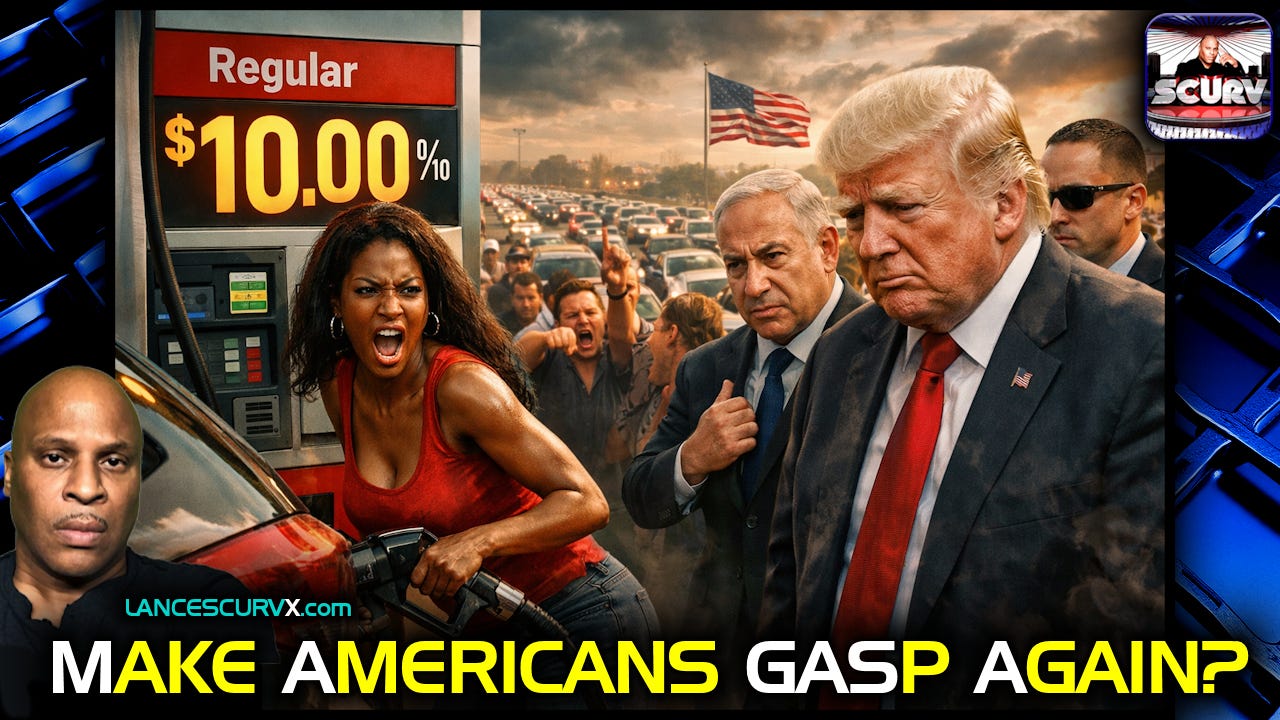
First, gas prices will skyrocket. Not just a little bit—we’re talking double, triple, or even worse if this drags on. And when gas goes up, everything else follows.
Second, the trucking industry takes a major hit. Every product you see in stores was delivered by a truck. If diesel prices shoot up, companies will pass that cost on to you. That means higher food prices, higher clothing prices, higher everything.
Third, food supply gets disrupted. Farmers need fuel for their machines. They need transportation. They rely on chemicals made from oil. If those costs rise or supply gets tight, food becomes more expensive and harder to find.
Fourth, air travel and shipping slow down. Planes and cargo ships run on fuel. If those costs spike, you’ll see delays, cancellations, and shortages.
Fifth, public transportation suffers. Buses, trains, and systems people depend on daily will either cost more or cut back services.
Sixth, heating and energy costs rise. Many homes still rely on oil or oil-related energy. When colder seasons hit, people will struggle to afford basic heat.
Seventh, businesses begin to close. Small businesses that can’t absorb higher operating costs will shut down, leading to job losses.
Eighth, inflation explodes. Everything costs more, but income doesn’t keep up. That’s how people get financially squeezed.
Ninth, the stock market reacts. Investors fear uncertainty. You’ll see drops, panic selling, and volatility.
Tenth, governments may print more money to try to stabilize things. But that often leads to even worse inflation.
Eleventh, social unrest can rise. When people can’t afford basic needs like food, gas, or rent, frustration builds—and history shows what can follow.
Twelfth, supply chains can break down completely. If this continues long enough, it won’t just be about high prices—it will be about empty shelves.
HOW AMERICA COULD BE HIT THE HARDEST
Now let’s talk about America, because this is where it becomes very real.
America is used to convenience. It’s used to abundance. But that comfort is built on a system that depends on constant flow—of goods, energy, and resources.
If this situation continues for weeks, people will feel price shock, but life will still function.
If it continues for months, real strain begins. Businesses struggle. Consumers cut back. Layoffs begin.
If it stretches into years, the entire economy could shift—and not in a good way.
You could see mass unemployment. A housing crisis as people fall behind on mortgages. Bank instability. A level of economic hardship that many people alive today have never experienced.
And here’s the truth many don’t want to face: dependence is weakness. When you rely heavily on something you don’t control, you are vulnerable.
THE DOOMSDAY SCENARIO IF THIS DOESN’T STOP
If this situation continues and escalates, we could be looking at a global recession or even a depression.
Countries may begin competing aggressively for resources. New alliances could form. Economic sanctions could make everything worse.
In America, trust in the system could break down. People may lose faith in leadership. Division could increase.
Crime could rise. Stress levels could increase. Mental health could decline.
And the most concerning part is that many people are not prepared for this kind of disruption.
This is what happens when a system that looks strong on the surface turns out to be fragile under pressure.
MY CLOSING THOUGHTS
We are living in a time where everything is connected, and that means when one part of the world shifts, the entire world feels it. There is no escaping it and no ignoring it.
These situations are not just about war. They are about control—about who holds power and who pays the price.
Right now, the average person is the one who will feel it the most. Not the decision-makers. Not the ones benefiting from the chaos.
You have to start thinking differently. You have to see the world as it truly is, not as it has been presented to you.
Because if this continues, life is going to change—and it’s going to change fast.
Sincerely,
SCURV
1.407.590.0755 (Whatsapp Text)