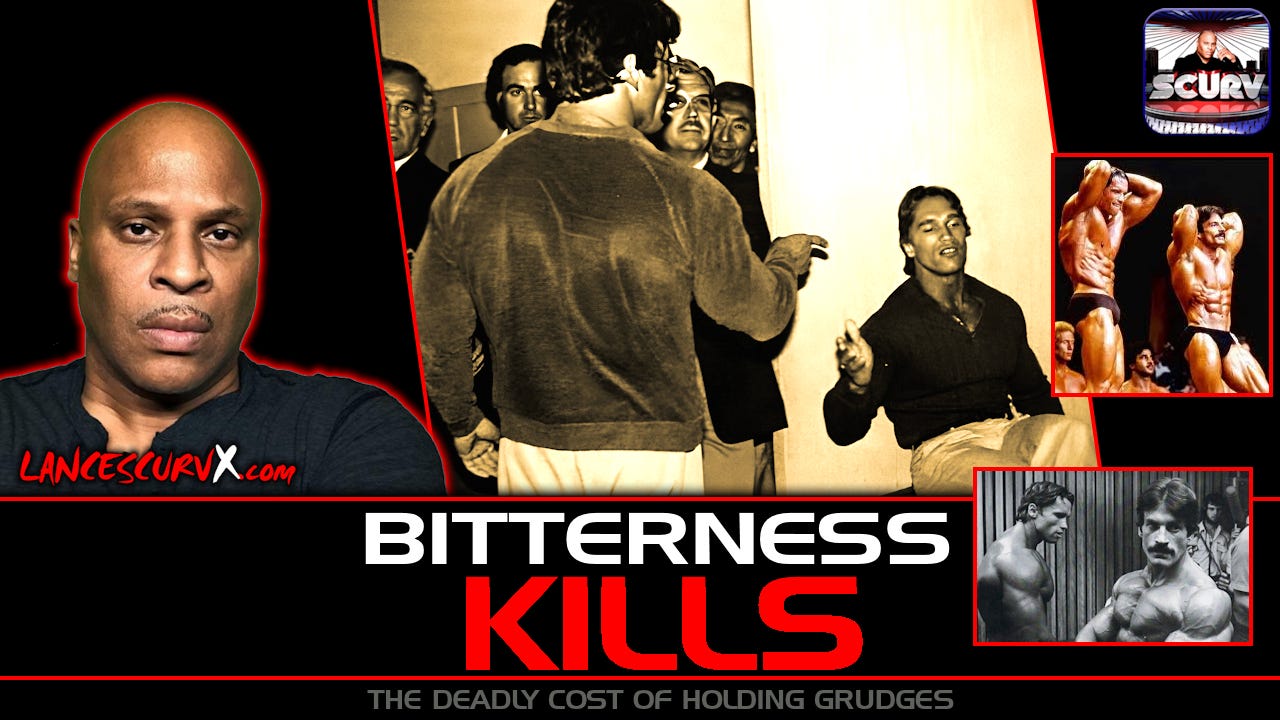

The story begins with promise, momentum, and certainty. In 1980, one man stood on the edge of greatness, widely believed to be the next dominant champion of his sport. He had the physique, the discipline, the intellect, and the confidence of someone whose moment had finally arrived. For months, the outcome seemed almost decided before the event even began.
The competition was held at the Sydney Opera House, a venue packed with fans expecting to witness a clean changing of the guard. The reigning champion was aging and injured. The younger contenders were sharper, leaner, and hungrier. Everything pointed toward a fair fight and a clear winner.
Then, just days before the event, everything changed. A legendary former champion announced a sudden comeback after years of retirement. The timing shocked everyone. The atmosphere shifted overnight from excitement to suspicion. What should have been a celebration of competition became tense and political.
Backstage, the pressure exploded. Meetings meant to clarify rules turned hostile. Power dynamics were obvious. Influence mattered more than fairness. When a respected competitor questioned the tone and direction of the discussion, he was publicly belittled. That moment lit a fuse.
The man who was expected to win finally spoke up, not to promote himself, but to defend basic respect. The response he received was cutting, personal, and humiliating. A comment aimed at his body, his past loss, and his worth as a competitor landed like a punch to the chest. The room went silent. Something broke inside him in that moment.
When competition day arrived, the returning legend appeared visibly off his peak. Other competitors were sharper, more conditioned, and more deserving by traditional standards. Yet something else was at play. Familiar faces filled the judging panel. Charisma and legacy carried weight that muscle and preparation could not overcome.
When the final decision was announced, the crowd erupted—not in celebration, but in disbelief. Booing echoed through the opera house. Competitors walked off the stage in protest. The expected winner was buried deep in the rankings, far from the podium. What many believed should have been his crowning moment became a public rejection.
That night, he made a decision that would shape the rest of his life. He walked away from competition entirely. The sport he had devoted his body and mind to no longer felt pure. The humiliation wasn’t just about losing—it was about how it happened and who benefited.
At first, the anger felt justified. Anyone in his position would have felt wronged. He had done everything right. He had followed the rules. He had earned his place. The injustice was real, and pretending otherwise would have been dishonest.
But the anger didn’t fade with time. It hardened. The event became the center of every conversation, every explanation, every reflection on his career. Instead of becoming one chapter in a long life, it became the defining moment.
While others moved on—into business, media, or new stages of life—he stayed mentally locked in that night. His training philosophy, once revolutionary and respected, became inseparable from his resentment toward the system he believed betrayed him.
As years passed, loss compounded loss. Professional platforms disappeared. Personal relationships collapsed. Family tragedy struck. The bitterness that once had a clear target now spread inward. Coping mechanisms replaced discipline. Drugs and heavy smoking took the place of structure and balance.
Those who knew him later saw a man haunted by what should have been and consumed by what went wrong. His brilliance remained, but it was buried beneath anger and disappointment. He wasn’t destroyed by a single event—he was destroyed by refusing to release it.
His death was officially attributed to heart complications. But those who understood the full story knew the deeper cause. Years of stress, resentment, substance abuse, and emotional isolation had taken their toll. The body finally collapsed under the weight the mind had been carrying for decades.
This is not just a story about a controversial competition or a corrupted decision. It is a warning. What began as a legitimate injustice slowly transformed into lifelong bitterness. And that bitterness proved far more lethal than the original wrong.
This is where the real lesson begins—not about sports, titles, or fairness, but about what happens when anger becomes identity. When a single night is allowed to define an entire existence. When being right matters more than being free.
From here, the conversation must move beyond the event itself and into the larger truth: how bitterness, when left unresolved, doesn’t stay emotional. It becomes physical. It becomes behavioral. And eventually, it becomes fatal.
That is why this story matters—not for what happened on that stage, but for what happened afterward. And why understanding bitterness may be one of the most important acts of self-preservation anyone can make.
Bitterness doesn’t show up all at once. It starts quietly, usually after a moment when you feel deeply wronged. Someone disrespects you. Something is taken from you. An outcome feels unfair. At first, the anger feels justified, even healthy. You tell yourself you have every right to feel the way you do.
The problem is that bitterness doesn’t stay in the moment where it was born. It lingers. It settles in. And over time, it begins to shape how you see the world, how you treat people, and how you treat yourself. What started as a reaction slowly becomes a way of living.
Many people believe bitterness is a sign of strength. They think letting go means losing, forgiving means weakness, and moving on means pretending the harm never happened. In reality, bitterness is not power. It is a slow drain on your energy, your health, and your peace of mind.
There are countless stories of talented, intelligent, and driven people who lost far more to bitterness than they ever lost to the original injustice. Their skills didn’t disappear. Their intelligence didn’t fade. But their ability to move forward did.
This article is not about denying pain or pretending injustice doesn’t matter. It’s about understanding what happens when unresolved anger becomes a permanent resident in your mind. And why dealing with bitterness is not about letting others off the hook, but about saving your own life.
HOW BITTERNESS TAKES OVER
Bitterness works like a mental infection. It attaches itself to a single moment and then spreads outward. At first, you replay the event in your mind, trying to make sense of it. Then you replay it to justify your anger. Eventually, you replay it because you don’t know how to stop.
What makes bitterness so dangerous is that it feels logical. You can list every reason you were wronged. You can explain why your reaction makes sense. You can even convince others that you were treated unfairly. And often, you are absolutely correct. But being correct does not protect you from the damage bitterness causes.
Over time, bitterness begins to rewrite your identity. You stop being someone who experienced a bad situation and start becoming someone defined by it. Conversations drift back to the same topic. Old wounds become part of your personality. You measure new experiences through old pain.
This is where bitterness becomes physical. Chronic anger keeps your body in a constant state of stress. Your nervous system never fully relaxes. Your sleep suffers. Your blood pressure rises. Your immune system weakens. The body was never designed to carry long-term emotional warfare.
People often cope by numbing themselves. Smoking increases. Drinking becomes more frequent. Stimulants feel necessary just to function. These habits aren’t the root problem, but they pour fuel on the fire. What started as emotional pain now has physical consequences.
Bitterness also isolates. When every conversation circles back to resentment, people slowly pull away. Not because they don’t care, but because they can’t help someone who refuses to release the pain. The bitter person feels abandoned, which only deepens the resentment.
The cruel irony is that bitterness convinces you it’s protecting you. It tells you that staying angry keeps you alert, prepared, and strong. In reality, it keeps you stuck in the past while life moves on without you.
Some people experience major losses close together: a career setback, a broken relationship, the death of a loved one, or the collapse of something they built with pride. When bitterness is already present, these moments don’t just hurt—they overwhelm. The emotional system collapses under the weight.
This is when self-destruction often begins. Discipline fades. Standards drop. The very habits that once created success disappear. The person may still have knowledge, talent, and experience, but they no longer have clarity or balance.
Bitterness doesn’t erase accomplishments, but it makes them feel meaningless. Achievements become reminders of what was lost instead of proof of what’s possible. Even past success can feel painful when it highlights how far someone believes they’ve fallen.
Eventually, bitterness becomes more important than healing. Being right feels more valuable than being healthy. Holding the grudge feels safer than facing the unknown future without it. At that point, the bitterness has won.
MY CLOSING THOUGHTS…
The most frightening thing about bitterness is that it doesn’t care how smart you are. Intelligence doesn’t protect you. Strength doesn’t protect you. Even being morally right doesn’t protect you. If bitterness is left unchecked, it consumes everyone the same way.
Letting go does not mean pretending the harm never happened. It means refusing to let that harm control the rest of your life. It means processing the pain, learning from it, and choosing not to relive it every day.
Some people wait for an apology that never comes. Others wait for justice that arrives too late. In the meantime, years pass. Health declines. Relationships fade. Life moves forward while they stay emotionally frozen in one moment.
Dealing with bitterness is not about forgiveness for others. It’s about freedom for yourself. It’s about choosing peace over punishment, growth over stagnation, and life over endless emotional warfare.
If you are holding on to something right now that keeps resurfacing in your thoughts, affects your health, or steals your joy, take it seriously. Bitterness is not harmless. Left untreated, it doesn’t just ruin moods—it ruins lives.