


THE MOST DANGEROUS PERSON MAY NOT LOOK DANGEROUS
There’s something deeply disturbing that we have to confront, because too many of us have been conditioned to believe danger should look dangerous. We expect the predator to appear strange, suspicious, socially awkward, or obviously out of place. We imagine somebody lurking around a playground, driving slowly through a neighborhood, or standing somewhere they clearly don’t belong. That image may make us feel better because it gives evil a recognizable face, but real life doesn’t always give us that luxury. Sometimes the person we should’ve been watching was already welcomed through the front door.
A predator can be educated, employed, respected, well-spoken, helpful, charming, religious, professional, and deeply involved in the community. That person can shake your hand, ask about your family, smile at your children, attend community events, and maintain an outward appearance that causes everyone around them to lower their guard. That’s precisely why this conversation matters. We can’t continue confusing reputation with character or assuming that a respected title somehow guarantees what’s happening inside somebody’s mind when nobody else is watching.
What should frighten us isn’t simply that predators exist, because dangerous people have existed throughout human history. What should concern us is how easily authority can become camouflage. A respected position can provide credibility, access, influence, and an almost automatic shield against suspicion. People begin defending the title before they’ve examined the behavior. They say somebody couldn’t possibly do something terrible because they’re a teacher, counselor, coach, religious leader, healthcare worker, community figure, or trusted family friend. But a job description tells us what somebody does for a living. It doesn’t tell us everything about who that person is.
Children are especially vulnerable because they haven’t lived long enough to understand manipulation the way experienced adults should. A child may understand that a stranger can be dangerous, but the situation becomes much more complicated when the adult isn’t a stranger at all. What happens when the person appears trustworthy? What happens when that person has already been accepted by the family? What happens when the adult knows how to make a young person feel special, mature, understood, important, or loved? That’s where the old warnings about “stranger danger” become painfully inadequate.
We have to teach children something deeper without teaching them to fear the entire world. Boundaries apply to everybody. Respect doesn’t mean blind obedience, and authority doesn’t mean unlimited access. No adult automatically deserves secrecy with a child because of a title, relationship, occupation, or reputation. When something feels uncomfortable, confusing, sexual, manipulative, secretive, or simply wrong, that child should know there’s a safe adult they can approach without being blamed, humiliated, punished, or immediately dismissed.
RESPECTABILITY CAN BECOME THE PERFECT DISGUISE
One of society’s greatest weaknesses is our tendency to assume respectable people must automatically be good people. We see somebody with an impressive occupation, respected position, polished appearance, or strong community reputation and begin filling in the blanks ourselves. We assume morality, discipline, honesty, responsibility, and integrity because those qualities fit the image we’ve already created in our minds. The problem is that employment can verify qualifications and a title can identify somebody’s position, but neither one can reveal everything taking place inside that person’s private life.
Trust is necessary because nobody can function in society while suspecting everybody around them. Parents have to trust teachers. Families have to trust doctors. Communities have to trust counselors, coaches, caregivers, clergy, youth leaders, neighbors, relatives, and other adults who interact with children. But there’s a major difference between healthy trust and blind trust. Healthy trust allows questions, welcomes accountability, respects boundaries, and understands that protecting vulnerable people is more important than protecting appearances. Blind trust becomes offended by questions and immediately begins defending reputations.
Whenever serious allegations emerge against somebody who was considered respectable, people often experience psychological shock. They begin searching backward through their memories and replaying conversations. They remember things that seemed harmless at the time and suddenly view them differently. They wonder whether there were warning signs they ignored or behaviors they explained away. They ask themselves how somebody who appeared so normal could allegedly have such a different private life. That shock reveals something fundamental about human behavior: we judge people primarily by what they allow us to see.
A manipulative person understands that reality very well. Someone who wants access to vulnerable people isn’t necessarily going to announce dangerous intentions. Manipulation works precisely because the manipulator understands appearances, social expectations, emotional weaknesses, and the enormous value of being trusted. If everybody could immediately recognize a predator by looking at one, grooming wouldn’t be nearly as effective. The ability to appear safe can itself become part of the strategy.
That’s why protecting children requires us to stop asking only whether somebody seems nice. We also have to pay attention to whether that person respects boundaries, encourages secrecy, seeks unnecessary private communication, behaves differently when other adults aren’t around, gives unusual amounts of attention or gifts, attempts to become emotionally indispensable, repeatedly creates opportunities to be alone with young people, or gradually introduces sexual subjects into conversation. None of those behaviors automatically proves somebody is a predator, but patterns deserve attention regardless of somebody’s occupation, popularity, or reputation.
GROOMING RARELY BEGINS WHERE PEOPLE THINK IT DOES
Many people misunderstand grooming because they imagine it beginning with an obvious sexual proposition. If that were always the case, many children would immediately recognize the danger and many adults would intervene much sooner. Grooming can be far more subtle. It can begin with attention, compliments, emotional support, gifts, favors, transportation, gaming conversations, social media messages, or an adult repeatedly telling a young person how mature and special they are. The beginning may look completely innocent to everybody watching from the outside.
That’s what makes grooming so dangerous. The predator may slowly create an emotional relationship in which the child begins feeling understood and valued. The boundaries then start moving a little at a time. An ordinary conversation becomes personal, personal becomes secret, secret becomes inappropriate, and inappropriate eventually becomes sexual. Because the process can happen gradually, the child may not recognize exactly when the relationship crossed the line.
By the time the young person understands what’s happening, shame and confusion may already have taken control. A child may think that because they responded to messages, accepted gifts, enjoyed the attention, agreed to meet somebody, or participated in certain conversations, they’re somehow responsible for what eventually happened. That’s one of the most destructive psychological traps surrounding grooming because the child begins carrying responsibility that belongs entirely to the adult.
Adults are responsible for maintaining adult boundaries with children. A child cannot reasonably be expected to possess the judgment, emotional development, experience, or understanding of consequences that an adult possesses. That’s exactly why society distinguishes children from adults in the first place. When an adult deliberately manipulates that difference in maturity and power, the responsibility belongs to the grown person, regardless of how the adult attempts to explain the relationship afterward.
THE INTERNET CREATED ANOTHER FRONT DOOR INTO YOUR HOME
There was a time when parents primarily worried about who physically approached their children. Today somebody can enter a child’s emotional world without ever entering the family home. Smartphones, private messaging, social media, online gaming, video chats, dating platforms, disappearing messages, and anonymous accounts have created an environment where adults can potentially communicate with minors without parents immediately knowing that communication is taking place.
Technology itself isn’t evil. Technology is a tool, and billions of people use these tools responsibly every day. The problem is that predators have access to the same technology. Parents therefore have to understand the digital environment their children actually inhabit instead of relying entirely on lessons from the world adults remember growing up in. You can’t effectively protect a child online if you have absolutely no idea where that child spends time, who they communicate with, or what kinds of conversations are happening there.
Simply confiscating phones isn’t the complete answer either. Children need digital judgment because eventually they’ll encounter technology without a parent standing over their shoulder. They need to understand why an adult seeking secret communication should raise questions, why sending intimate images can create enormous consequences, why somebody online may not be who they claim to be, and why manipulation can happen gradually rather than through an obvious threat.
Most importantly, children need to know they can come to their parents or guardians when something happens. If a young person believes the first reaction will be screaming, humiliation, punishment, or losing every electronic device they own, that child may hide exactly the information the family desperately needs to know. Predators benefit from that silence. A child who believes home is a safe place to tell an uncomfortable truth becomes much harder to isolate.
SECRECY IS THE OXYGEN OF MANIPULATION
Predatory behavior thrives in secrecy because secrecy separates the child from the people most likely to protect them. Healthy adults generally don’t need children to hide relationships from parents. Whenever an adult begins telling a child that certain conversations, meetings, gifts, photographs, touching, or private communication must remain hidden, the situation deserves serious attention.
Of course, common sense still matters. Not every secret is sinister. Somebody planning a surprise birthday party obviously isn’t engaging in grooming. The concern is secrecy surrounding inappropriate intimacy, private meetings, sexual conversations, physical touching, unusual gifts, transportation, disappearing messages, or emotional relationships that deliberately exclude parents and guardians.
Children should understand the difference between healthy privacy and dangerous secrecy. Privacy is a normal part of growing up. A teenager doesn’t need parents reading every private thought in a diary. Dangerous secrecy is different because it protects inappropriate adult behavior. When an adult repeatedly tells a young person that parents “wouldn’t understand,” the adult may be attempting to create an emotional alliance against the very people who could interrupt the relationship.
Shame becomes another powerful weapon. A predator may convince the child that both of them will get into trouble if anybody discovers what happened. The young person may fear disappointing parents, losing friends, being mocked at school, or becoming the subject of gossip. Some children may even believe they’re emotionally attached to the person exploiting them. Adults looking from the outside might wonder how the child couldn’t recognize the manipulation, but the answer is painfully simple: the child is a child.
AUTHORITY CAN BECOME CAMOUFLAGE
The more respected somebody becomes, the more difficult allegations against that person can be for a community to process. People instinctively reach for statements such as, “Everybody loves him,” “She’s done so much for this community,” or “I’ve known that person for years.” Those statements may be emotionally understandable, but none of them determines whether an accusation is true or false.
Evidence matters. Investigations matter. Due process matters. Nobody should be declared guilty simply because an accusation was made. At the same time, respectability shouldn’t prevent a legitimate investigation. That’s where institutions and communities sometimes fail. They become so emotionally invested in protecting an organization or respected individual that they forget the institution was supposed to protect people in the first place.
Suddenly everybody becomes worried about embarrassment, scandal, donations, careers, public image, and what outsiders will think. Meanwhile, a vulnerable person may be desperately attempting to tell somebody what happened. Protecting children has to matter more than protecting appearances. An institution worth respecting should understand that accountability strengthens credibility rather than destroys it.
SPIRITUAL AUTHORITY MUST NEVER MEAN BLIND AUTHORITY
Religious authority deserves special attention because faith reaches people at an extremely emotional level. When somebody is viewed as spiritually trustworthy, families may reveal personal problems they wouldn’t share with almost anybody else. People seek guidance during grief, illness, financial hardship, relationship problems, death, depression, and some of the most vulnerable moments of their lives. That level of trust creates enormous responsibility.
Spiritual authority should never become unquestioned authority. A person standing behind a pulpit remains human. A religious title doesn’t make somebody incapable of wrongdoing, temptation, deception, manipulation, or criminal behavior. Faith shouldn’t require surrendering common sense. If anything, somebody claiming moral leadership should welcome stronger accountability because the responsibility attached to that position is greater.
Organizations serving children should have clear rules regarding private communication, transportation, counseling, physical contact, and one-on-one access. There should be procedures for reporting suspicious behavior and multiple adults present in sensitive situations whenever reasonably possible. Nobody should become so powerful within an institution that asking reasonable questions becomes interpreted as disrespect.
The moment an organization begins treating accountability as an attack, danger can grow quietly behind the walls. Institutions shouldn’t merely ask whether they trust their leaders. They should build systems strong enough that protecting children doesn’t depend entirely upon trust in any single individual.
PARENTS HAVE TO KNOW THE CHILD STANDING IN FRONT OF THEM
Technology can help protect children. Policies can help. Background checks, schools, law enforcement agencies, youth organizations, and responsible institutions can all contribute. But parents and guardians still possess one of the most powerful protective tools available: knowing their children well enough to notice when something changes.
Know your child’s normal personality, friendships, routines, interests, fears, and communication habits. Know what makes them excited and what makes them uncomfortable. Know the adults who repeatedly appear in their conversations. Pay attention when a young person who was normally open suddenly becomes secretive, withdrawn, unusually anxious, angry, frightened, or emotionally attached to someone you barely know.
None of those changes automatically proves abuse. Young people experience countless emotional, social, academic, and developmental pressures that can change behavior. The point isn’t to jump immediately to conclusions. The point is to remain curious enough to ask questions instead of becoming so busy that major changes pass unnoticed.
Sometimes the most important conversation begins with something as simple as, “You seem different lately. Is everything okay?” The way that question is asked matters. A child who expects interrogation may close down. A child who senses genuine concern may open up. Young people need to know that telling the truth won’t destroy the family or cause the adults around them to lose control.
Some children remain silent because they’re trying to protect the adults around them from painful information. Think about how heartbreaking that is. A child can end up carrying an adult-sized burden because nobody created a safe place for that child to put it down. Parents have to become emotionally strong enough that their children know uncomfortable truths can be brought home.
WHEN ABUSE ALSO CREATES A SERIOUS HEALTH RISK
There’s another dimension that requires careful discussion. When sexual contact exposes another person to a serious health risk without informed consent, the violation becomes even more disturbing. The issue shouldn’t become an excuse to stigmatize people living with HIV or any other medical condition. People living with HIV can receive effective treatment, maintain relationships, and live long, responsible lives. A medical diagnosis by itself doesn’t make somebody immoral or dangerous.
The issue is consent, deception, exploitation, and responsibility. Every person deserves the ability to make informed decisions regarding their own body, and a child should never be placed in an adult sexual situation in the first place. When abuse also involves possible exposure to a serious infection, immediate professional medical care becomes critically important.
Families can’t allow embarrassment, shame, fear of gossip, or concern about reputation to delay medical attention. If a young person reports sexual contact with an adult, the first concern should be that child’s immediate safety, physical health, and emotional well-being. Everything else comes afterward. Not the institution’s reputation, not neighborhood gossip, not somebody’s career, and certainly not protecting an adult from embarrassment.
LISTEN SERIOUSLY WITHOUT ABANDONING THE TRUTH
We also have to maintain an important balance when accusations arise. Listening seriously to children doesn’t mean abandoning evidence or due process. Serious accusations can carry serious consequences, and investigations have to establish facts. But listening to a child and automatically convicting somebody are two completely different things.
When a child reports inappropriate behavior, adults should remain as calm as possible, listen carefully, avoid placing words into the child’s mouth, preserve relevant information, and involve qualified professionals or appropriate authorities when necessary. What adults should never do is immediately shut the child down because the accused person appears respectable.
Imagine a young person finally finding the courage to speak and being told that the accused person “would never do something like that” because they’re loved by everybody. Imagine the message that sends. The child may conclude that reputation carries more weight than their own voice, and that may be the last time they attempt to tell anyone.
INSTITUTIONS MUST NEVER PROTECT THEMSELVES AT THE EXPENSE OF CHILDREN
Whenever serious allegations involve someone connected to an institution, transparency and responsible investigation become essential. An organization shouldn’t quietly move somebody somewhere else, bury complaints, intimidate victims, or treat criminal allegations as nothing more than an internal public relations problem.
Children aren’t public relations problems.
Credible evidence of criminal behavior requires the involvement of appropriate authorities. Internal reputation management isn’t a substitute for an independent investigation, especially when the institution itself has something to lose from the truth becoming public.
This principle applies anywhere adults have structured access to young people. Schools, religious institutions, sports programs, youth organizations, community centers, summer programs, entertainment organizations, and online communities all need safeguards. The safest institution isn’t the one loudly proclaiming, “That could never happen here.” The safest institution understands that wrongdoing can happen anywhere human beings have power and opportunity, so it builds systems designed to reduce those opportunities.
TECHNOLOGY COMPANIES CAN’T PRETEND THEY HAVE NO RESPONSIBILITY
Technology companies now sit at the center of enormous amounts of human communication. When digital systems detect credible evidence of child exploitation or illegal sexual activity involving minors, responsible reporting mechanisms can potentially interrupt abuse before another child is harmed.
Privacy matters. Civil liberties matter. Due process matters. But protecting children matters too, and society has to find responsible ways to hold those principles together. Digital platforms shouldn’t become comfortable hiding places for adults attempting to sexually exploit children simply because the interaction happens through a screen.
At the same time, technology alone will never solve this problem. Predators existed before smartphones, social media, private messaging, or online gaming. Technology didn’t create predatory behavior. It created additional pathways through which predatory behavior can operate. Our methods of protection therefore have to evolve alongside the technology.
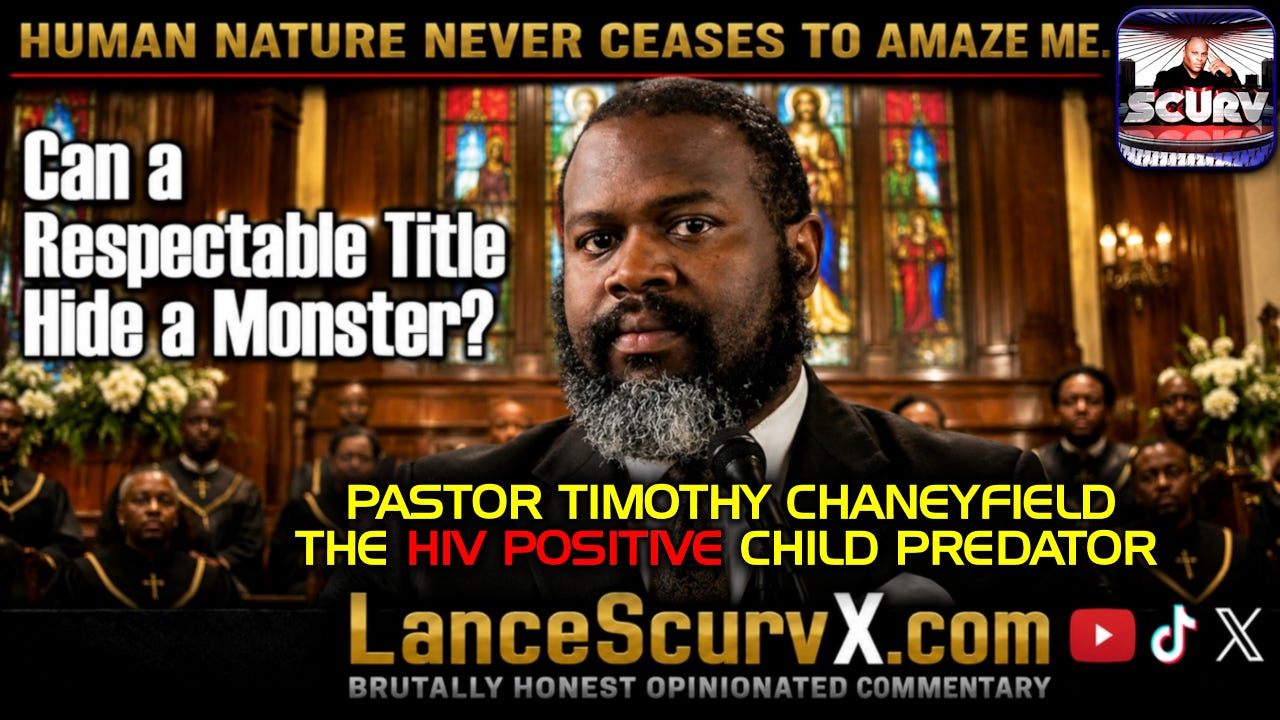
WE HAVE TO STOP TEACHING CHILDREN THAT EVERY ADULT MUST ALWAYS BE OBEYED
One cultural lesson desperately needs greater nuance. We often teach children that adults must always be obeyed. I understand why. Children need structure, discipline, respect for parents, respect for teachers, and an understanding of legitimate authority. But obedience without boundaries can become dangerous.
Children should understand that there are circumstances in which saying no to an adult is absolutely appropriate. If somebody asks them to remove clothing, requests sexual photographs, touches them sexually, demands secret meetings, threatens them, asks them to lie to their parents, or makes them feel unsafe, that child needs permission to resist and permission to speak afterward.
We can’t spend a child’s entire upbringing teaching unquestioned obedience and then wonder why that child freezes when an adult crosses a boundary. Respect should be taught alongside bodily autonomy, personal boundaries, critical thinking, and the understanding that no adult has the right to demand inappropriate access.
YOUR CHILD DOESN’T OWE ANYBODY ACCESS TO THEIR BODY
A child doesn’t owe an adult physical affection simply because that person is a relative, family friend, respected community member, or authority figure. Children don’t owe anybody private communication, secret meetings, photographs, or physical contact that makes them uncomfortable. Teaching bodily autonomy doesn’t mean teaching disrespect. It means teaching children that their bodies belong to them.
That lesson can begin long before sexuality enters the conversation. A young child who learns that they can tell a trusted parent when something makes them uncomfortable begins developing the language and confidence necessary to establish stronger boundaries later in life. Predatory manipulation becomes more difficult when children understand boundaries because boundaries interrupt access.
WE HAVE TO STOP WORSHIPPING TITLES
Society has become far too impressed with labels. We hear titles such as pastor, doctor, teacher, coach, officer, counselor, executive, celebrity, mentor, or community leader and sometimes unconsciously attach moral qualities to the position. But titles describe occupations and social roles. They don’t certify character.
A person deserves trust because of consistent behavior, healthy boundaries, transparency, responsibility, and demonstrated integrity, not simply because of what appears on a business card or what position they occupy in the community. We have to stop handing people moral immunity because they operate inside respected spaces.
If someone works around children, accountability should become stronger rather than weaker. If somebody holds spiritual authority, accountability should become stronger. If somebody counsels vulnerable people, accountability should become stronger. Greater access creates greater responsibility, and any respectable institution should understand that principle.
SOMETIMES THE WARNING SIGNS WERE THERE ALL ALONG
There are situations where communities notice troubling behavior but repeatedly explain it away. An adult appears unusually interested in teenagers, and everybody says they’re simply good with young people. Somebody gives children expensive gifts, and everybody calls them generous. Someone seeks private communication, and it’s described as mentoring. Someone repeatedly creates opportunities to transport children alone, and nobody questions it because everybody trusts that person.
None of those behaviors automatically proves wrongdoing. Context matters, and reasonable people shouldn’t turn every ordinary interaction into an accusation. But patterns matter too. There’s a middle ground between paranoia and blindness, and that middle ground is awareness.
Awareness means observing without automatically accusing. It means asking reasonable questions and creating systems where adults don’t have unnecessary opportunities to isolate children. It means understanding that dangerous people can benefit enormously from everybody around them being too polite to speak up.
Sometimes politeness becomes a weakness. People notice something uncomfortable but remain silent because they don’t want to offend anybody. I’d rather ask an uncomfortable question than ignore a dangerous pattern and spend the rest of my life wishing I’d spoken.
CHILDREN SHOULD NEVER HAVE TO PROTECT ADULT REPUTATIONS
One of the ugliest things that can happen after allegations of abuse emerge is watching an entire community become more concerned about the accused adult’s reputation than the possible victim’s well-being. Suddenly everybody worries about the person’s career, family, accomplishments, future, public image, and standing in the community.
But what about the child’s future? What about that young person’s ability to trust? What about their understanding of relationships, personal boundaries, intimacy, and safety? What about the years they may spend trying to understand something that happened before they were emotionally equipped to process it?
Due process matters. Evidence matters. Investigations matter. But compassion shouldn’t flow exclusively toward powerful adults. Vulnerable people deserve dignity, patience, protection, and the opportunity to be heard.
THERE MAY BE VICTIMS WHO HAVEN’T SPOKEN YET
Whenever credible allegations reveal that somebody with broad access to vulnerable people may have committed abuse, investigators naturally have to determine whether additional victims exist. That’s not the same thing as declaring somebody guilty of crimes that haven’t been established. It’s responsible investigation because access, patterns, opportunity, and history matter.
Silence can last for years. Some survivors of childhood sexual abuse don’t disclose what happened until adulthood, while others may never tell anybody. Fear, shame, confusion, family pressure, emotional attachment, threats, and concern about being believed can keep people silent for decades.
That’s why public awareness following an investigation can sometimes cause additional people to come forward. Someone may suddenly realize they weren’t alone. They may realize somebody is finally willing to listen. They may recognize that the person they once feared no longer possesses the same power over them. One person’s courage can sometimes unlock another person’s silence.
DENIAL WILL NEVER PROTECT A CHILD
This conversation isn’t comfortable, and it’s not supposed to be. Protecting children can’t depend upon preserving adult emotional comfort. We have to accept the uncomfortable reality that dangerous people can exist inside respected institutions and loving communities.
Predators can be intelligent, patient, socially skilled, and deeply aware of human psychology. They can build reputations, develop relationships with families, earn community trust, and position themselves as indispensable long before anybody sees inappropriate behavior. That’s why character has to matter more than image.
The mistake isn’t trusting people. Human beings need trust. The mistake is believing trust should eliminate accountability. Trust without boundaries becomes vulnerability, while trust supported by transparency and accountability becomes much safer.
WHO REALLY HAS ACCESS TO YOUR CHILDREN?
Every parent and guardian needs to ask this question without becoming paranoid: Who actually has access to my child? That question no longer applies only to people who physically enter the home. It includes the people who message your child, follow their accounts, play games with them online, give them rides, buy them gifts, offer emotional support, communicate privately, and know things about their emotional life that you may not know yourself.
Pay particular attention to adults who encourage secrecy, repeatedly describe a child as unusually mature, attempt to become emotionally indispensable, or slowly create a private world that excludes parents. None of this means accusing innocent people. It means paying attention.
There’s a tremendous difference between suspicion and awareness. Suspicion decides somebody is guilty before evidence exists. Awareness notices patterns and asks questions. We don’t need a generation of frightened parents accusing everybody around them. We need a generation of informed adults who understand how manipulation works.
PROTECTING CHILDREN REQUIRES ADULTS WILLING TO BE UNPOPULAR
Protecting children sometimes requires adults willing to make uncomfortable decisions. There may be moments when you’re going to have to ask a question somebody doesn’t appreciate. You may have to say no to a sleepover, private ride, trip, counseling arrangement, online friendship, or situation that doesn’t feel appropriate. You may have to remove somebody’s access while questions are investigated.
Sometimes the person raising concern may be somebody you genuinely like. That’s where character gets tested. Anybody can protect a child from an obvious stranger. The harder question is whether you can protect your child from somebody you respect, somebody your community admires, somebody related to you, or somebody whose reputation makes questioning them socially uncomfortable.
Protecting children can’t become a popularity contest. If the choice is between temporarily offending an adult and ignoring a legitimate concern about a child’s safety, I’m going to protect the child.
WE HAVE TO BECOME HARDER TO FOOL
The lesson from all of this shouldn’t be that nobody can be trusted. That’s unhealthy and unrealistic. The lesson is that trust should never eliminate accountability. We can respect people while maintaining boundaries, participate in institutions while demanding safeguards, allow children to develop healthy relationships with adults while teaching them how to recognize inappropriate behavior, and use technology while understanding the risks that accompany it.
We can believe in community without becoming blind to human nature. We can respect authority without worshipping authority. We can give people the benefit of the doubt without surrendering common sense. We can insist upon evidence while still taking vulnerable people seriously.
That’s the balance we desperately need because predators benefit from extremes. They benefit when everybody blindly trusts them, and they also benefit when communities become so chaotic and accusatory that legitimate warnings disappear inside endless noise. Awareness has to be calm, intelligent, consistent, and grounded in behavior.
THE CHILD HAS TO COME FIRST
When everything else is stripped away, protecting the child has to remain at the center of this conversation. Not the institution, somebody’s career, somebody’s title, somebody’s popularity, or the embarrassment that may come from discovering something terrible happened while everybody was looking in another direction. Children don’t exist to protect adult reputations. Adults have a responsibility to protect children.
We also have to create homes and communities where young people understand that speaking up won’t automatically bring punishment down upon them. If something happened online, tell me. If somebody touched you, tell me. If somebody asked you for photographs, tell me. If somebody threatened you, tell me. If somebody you trusted crossed a boundary, tell me. We can deal with the problem, but first we have to know the problem exists.
Parents, guardians, schools, religious organizations, sports programs, youth groups, community organizations, technology companies, and responsible adults all have roles to play. Nobody gets to point across the room and say protecting children is somebody else’s responsibility. Whenever children are present in a space, their safety becomes part of the responsibility of the adults controlling that space.
Most importantly, we have to stop assuming evil always announces itself. Sometimes danger arrives dressed in respectability. Sometimes manipulation speaks softly, smiles warmly, and understands exactly how valuable a good reputation can become. That’s why we have to watch behavior instead of worshipping titles. A public image tells us what somebody wants the world to see, while repeated behavior gives us a much clearer picture of who that person actually is.
So I’m leaving you with the question that should remain long after this monologue is finished: Do you really know who has access to your children? Don’t become paranoid; become aware. Don’t teach children to fear the world; teach them how to recognize boundaries. Don’t destroy trust; make trust accountable. Because when adults become courageous enough to ask uncomfortable questions and children know they have somewhere safe to speak, those children become harder to isolate, harder to manipulate, harder to silence, and much harder for predators to reach.
SCURV