

The City That Raised Me
New York City didn’t just shape me—it raised me.
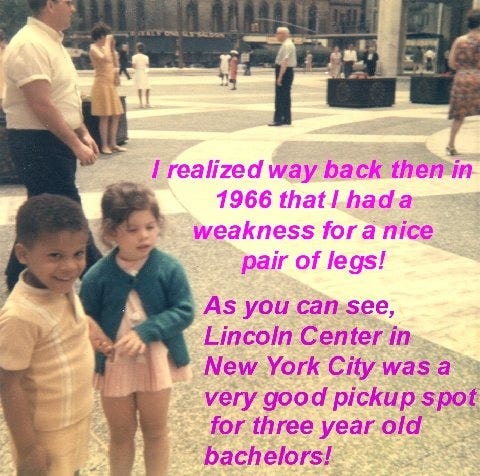
Long before I understood words like mindfulness or perspective, I was living them. Every block, every face, every late-night ride through its restless streets left an imprint on me. I spent 38 years there, but the foundation was built in my youth—when the city felt larger than life and I was just small enough to absorb it all.
Looking back now, I realize I wasn’t just growing up.
I was being trained.
The First Teachers I Ever Knew
Before the city, there were my parents.
I speak of them in the present tense because nothing about them feels past. Their energy still moves through me—steady, guiding, undeniable.
My mother was refinement. A trained singer who could move from opera to gospel without missing a breath, she introduced me to beauty, discipline, and the unseen power of art. Being around her meant being around intention—everything had meaning, rhythm, purpose.
My father was something else entirely.
He was precision. Principle. Presence.
He didn’t lecture—he demonstrated. The kind of man you study without realizing you’re studying him. Watching him was like watching a code being written in real time: how to carry yourself, how to speak, how to stand firm in any room.
Together, they didn’t just raise me.
They built me.
A Childhood Without Borders
Most kids knew their block.
I knew the city.
My father restored hardwood floors in some of New York’s most prestigious buildings—a craft that, at the time, only a handful of men truly understood. His work took us everywhere, and I went with him.
Behind doors most people never saw.
Through hallways that held history in their silence.
Into rooms where wealth, culture, and influence moved quietly but powerfully.
And because I was with him, I wasn’t treated like an outsider.
I was welcomed.
Men and women from completely different worlds spoke freely around me. Some even took a liking to me. I didn’t fully understand it then, but I was being given access—real access—to how people lived, thought, and moved.
At the same time, my mother gave me a completely different world: rehearsal spaces filled with music, voices rising and falling, people creating something out of nothing.
Two worlds.
One childhood.
The Education No School Could Give
By ten years old, I had already seen more than most people see in decades.
But people couldn’t tell just by looking at me.
That was fine.
Because what I carried wasn’t for display—it was for understanding.
I learned how to read people. Not just what they said, but what they meant. Not just how they looked, but how they felt. That kind of awareness doesn’t come from books.
It comes from exposure.
Choosing My Own Measure
I tried sports—baseball, basketball—but something about them never sat right with me.
Effort and reward didn’t always match. You could give everything you had and still share credit with someone who barely showed up.
That didn’t make sense to me.
So I turned inward.
Bodybuilding became my lane. It was honest. You got back exactly what you put in—nothing more, nothing less. Discipline wasn’t optional. It was everything.
And in that, I found something I could fully own.
The City After Dark
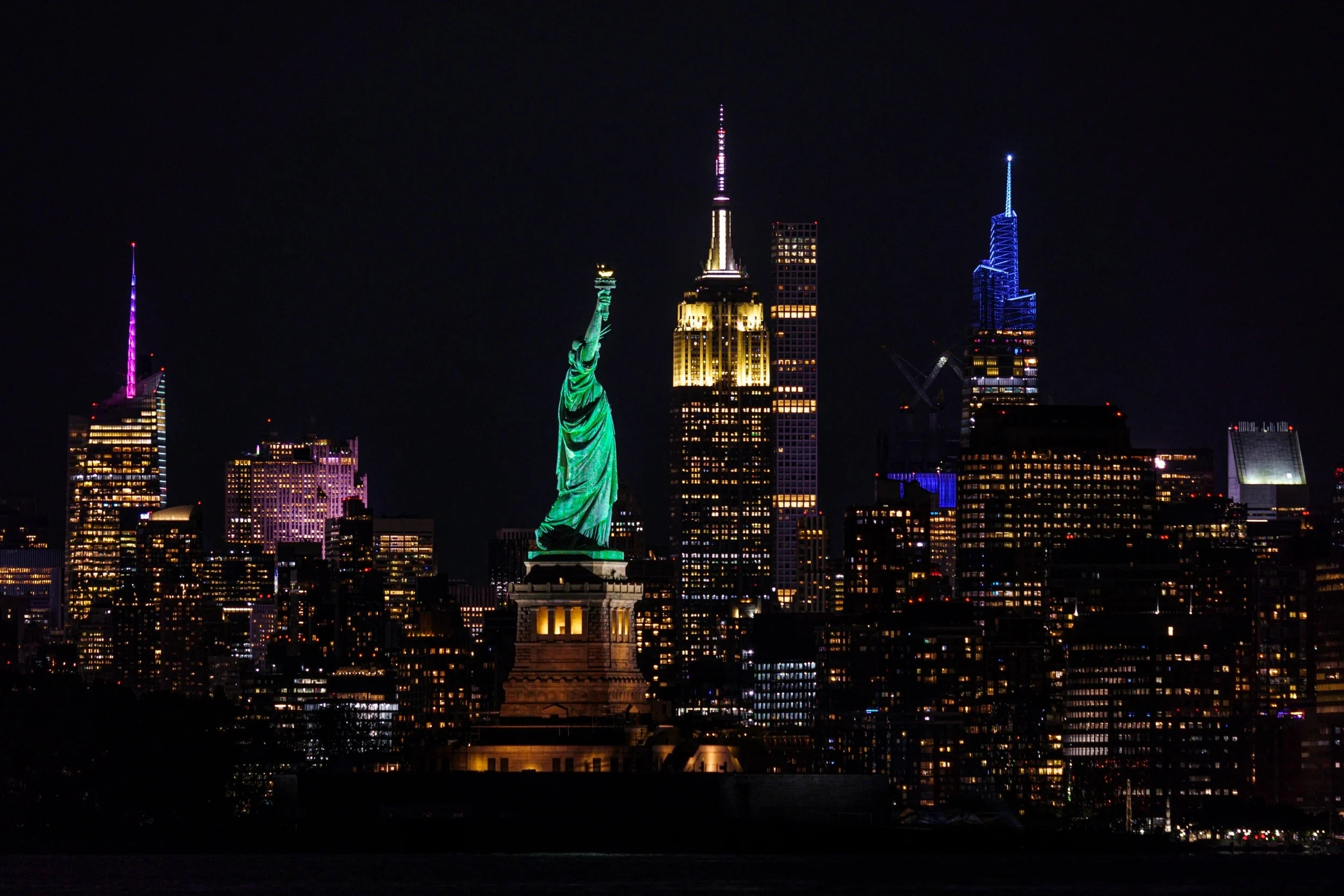
By the time I was thirteen, I started slipping into Manhattan on my own.
Not the polished version people brag about—the other one.
The one that came alive after dark.
I saw the hustlers, the wanderers, the forgotten. I watched the city shed its daytime mask and reveal something raw, something unfiltered.
And I wasn’t afraid.
Because none of it was new to me.
My father had already shown me these worlds—not with fear, but with honesty. If I asked what something was, he told me. No sugarcoating. No mystery.
Gambling spots. Abandoned buildings. Addiction. Survival.
He didn’t hide it.
He made sure I understood it.
So when I stepped into those spaces on my own, I wasn’t chasing curiosity.
I was observing reality.
What the Streets Really Taught Me
The streets didn’t pull me in.
They educated me.
I met people who had fallen—and people who were still falling. I listened to their stories, not as warnings, but as lessons. Every face carried history. Every voice held truth.
And what stood out most wasn’t the struggle.
It was the humanity.
I saw people with nothing share everything. And I saw people with everything give nothing.
That contrast stayed with me.
It still does.
Orsini’s: Where Another World Opened
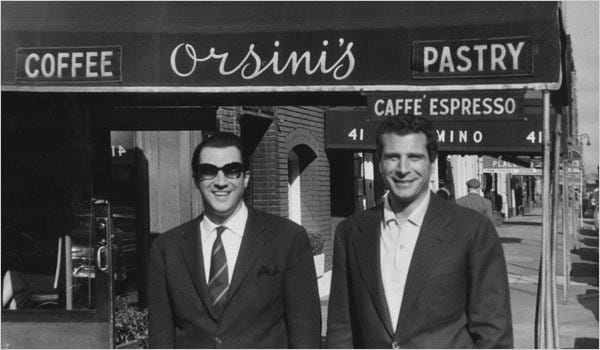
Then there was Orsini’s.
A restaurant on 56th Street that, from the outside, didn’t look like much. But inside—it was alive.
My father worked there regularly, and I’d go with him early in the morning, before the doors opened.
That’s when you saw the real magic.
The kitchen was already moving—chefs locked into their craft, working with a level of precision that felt almost surgical. The smell alone could stop you in your tracks.
That was my introduction to excellence at another level.
The owner, Armando, carried himself like he knew exactly who he was. Smooth. Confident. Always surrounded by energy. He’d slip me a $20 bill when my father wasn’t looking—a quiet gesture that made me feel seen.
But it wasn’t the money that stayed with me.
It was the standard.
Conversations That Echo to This Day
After the work was done, my father and I would sit and talk.
Not like father and son.
Like two minds meeting.
Life. Politics. Boxing. People.
I was young, but he never talked down to me. He spoke to me like I was already becoming who I needed to be.
And then we’d step outside.
Where the same man who held conversations with wealthy clients would stop and speak—genuinely speak—to someone sitting on the curb, battling addiction.
Same respect. Same tone.
No difference.
That was the lesson.
Upstate: A Different Kind of Silence
Sometimes the work took us out of the city.
Upstate felt like another planet—wide open land, quiet that rang in your ears, space that seemed endless to a child.
One moment stands out.
A pool. Huge. Intimidating.
I couldn’t swim.
I hesitated—but I got in.
What followed was awkward, unexpected, and unforgettable. One of those moments where childhood starts to blur into awareness. Nothing dramatic—just a quiet shift in how you see the world and yourself.
Those moments matter more than you realize at the time.
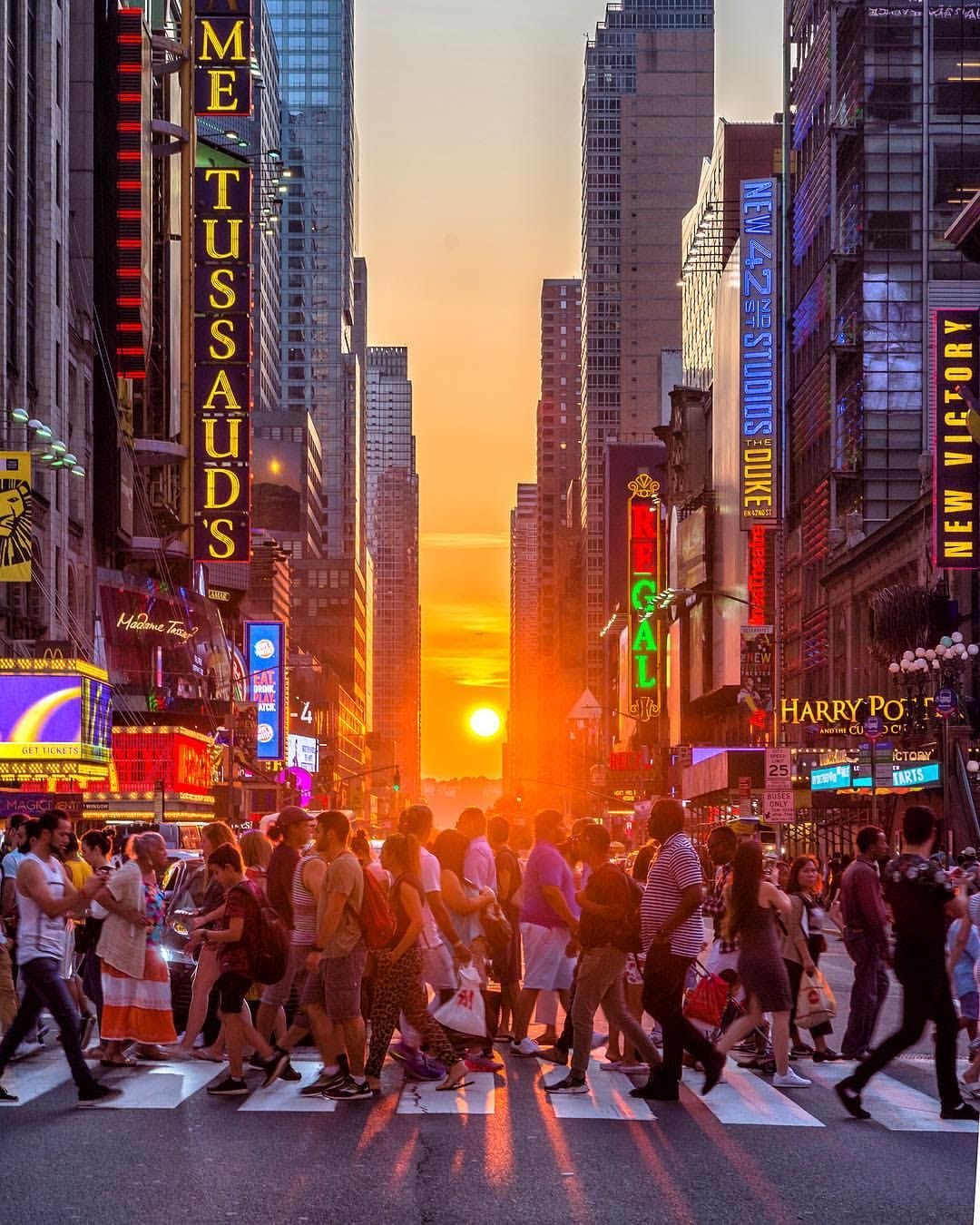
A City That Doesn’t Exist Anymore
Years later, everything changed.
After 9/11, the energy shifted. And as time moved forward, something else faded too—real connection.
Back then, we didn’t live through screens.
We lived through moments.
You could sit on a stoop with nothing to do and end up with a story you’d carry for life. Laughter wasn’t typed—it echoed.
Now, everything moves faster.
But it doesn’t always go deeper.
Why I Tell These Stories
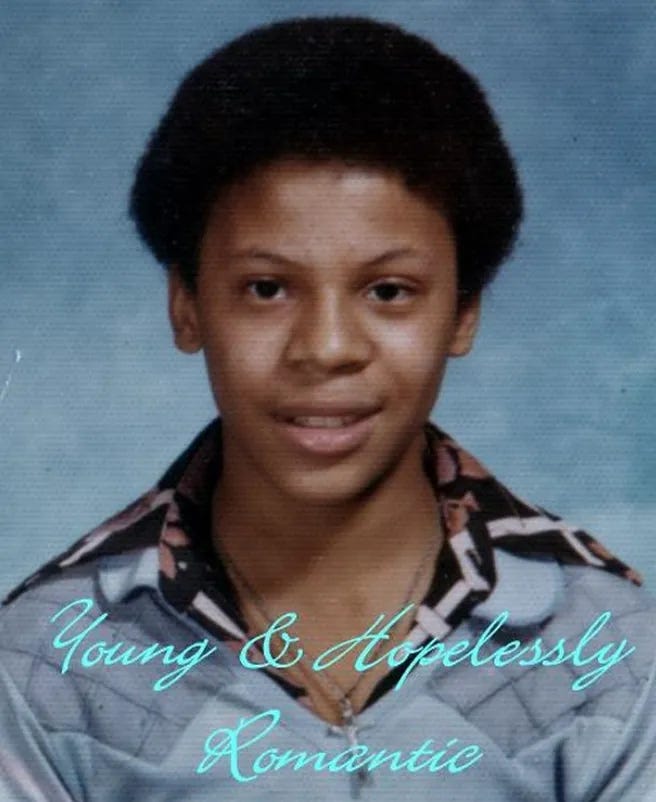
I’ve been told more than once that my life wasn’t “normal.”
Maybe it wasn’t.
But it was real.
And now, as I get older, I understand something clearly: if I don’t tell these stories, they disappear.
Not just the events—but the lessons inside them.
So I write.
Because this isn’t about the past.
It’s about preserving something that still has value.
Something that can still teach.
Something that still matters.
And I’m not done telling it. There’s so much more…
Sincerely,
SCURV
1.407.590.0755 (Contact me on WhatsApp Text)

Documents document man lively indeed 24hour a day living everytime speak of it ..Articles serious