

Boxing has always been more than punches and belts. It is emotion, pride, money, and storytelling all wrapped into one brutal sport. When a high-profile fight happens, especially one involving a controversial figure, the reactions tend to spill over into anger, debate, and strong opinions.
Recently, a heavyweight fight ended exactly how many expected. A proven former champion, Anthony Joshua, delivered a decisive knockout against an opponent, jake Paul, many never accepted as a real boxer. The outcome was not shocking, but the conversation that followed revealed something much deeper about the sport itself.
Many people rushed to label the Jake Paul a disgrace. They questioned his legitimacy, his path, and his right to even be in the ring. But focusing only on him misses the larger issue that boxing fans have been frustrated with for years.
The truth is, boxing did not arrive at this moment by accident. It was shaped by years of stalled matchups, protected records, and business decisions that prioritized safety over greatness. That environment created openings for outsiders to step in.
This is why the real question is not whether one man belongs in boxing, but whether boxing created the conditions that allowed this to happen in the first place.
Boxing used to be about finding out who the best really was. Fighters climbed rankings, challenged champions, and took risks that defined their legacy. Losses were part of the journey, not the end of a career. Fans respected courage more than perfection.
Today, undefeated records are treated like fragile glass. Fighters are moved carefully, matchups are delayed, and careers are managed to avoid danger instead of seeking greatness. The goal has shifted from proving dominance to protecting value.
Promoters and managers play a major role in this shift. By keeping fighters at their peak weight longer than necessary, avoiding risky opponents, and delaying mandatory challenges, they stretch careers but shrink moments. The window where a fighter is truly great does not last forever, yet it is often wasted.
Fans see this clearly. They demand the best fights, but instead get excuses, delays, and negotiations that drag on for years. When those fights finally happen, the moment has already passed. What should have been legendary becomes underwhelming.
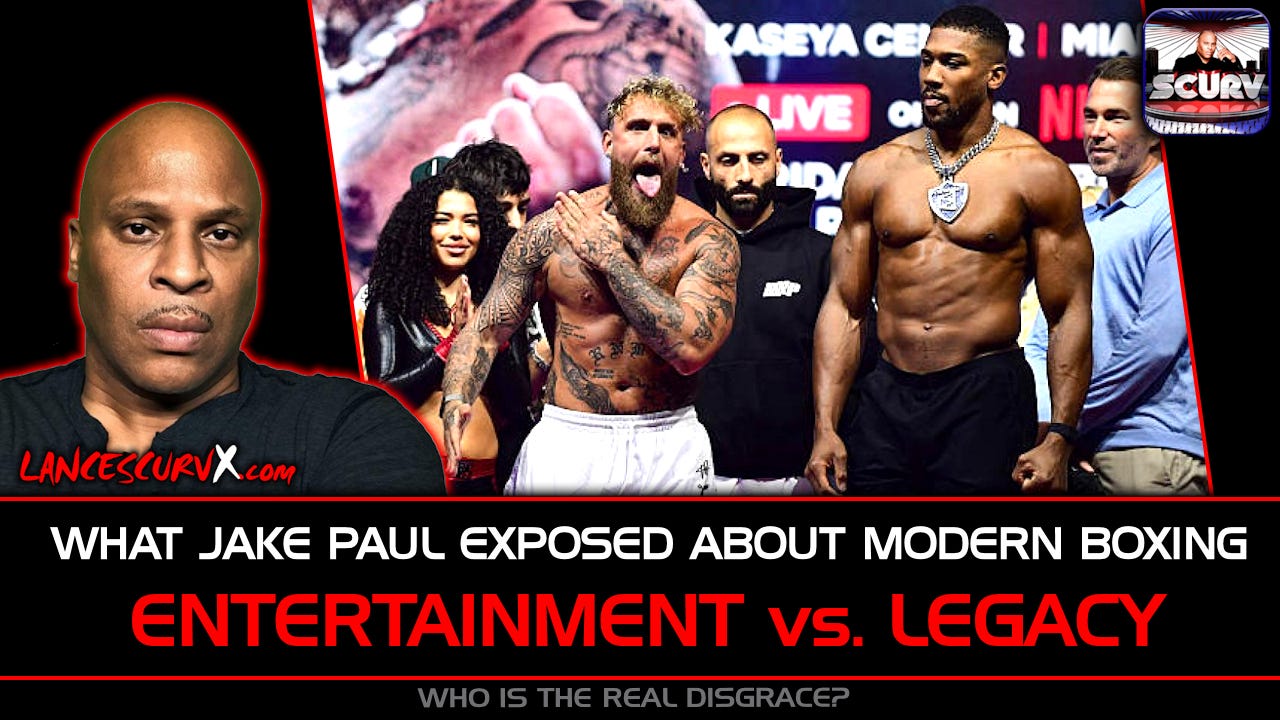
This is where someone like Jake Paul enters the picture. He did not break boxing. He studied it. He saw confusion, frustration, and unmet demand. Then he positioned himself as both the product and the promoter.
From a business standpoint, that is not stupidity. That is awareness. Boxing has always been entertainment, even when wrapped in tradition. Tickets are sold, pay-per-views are pushed, and personalities matter as much as skill.
While trained fighters avoided each other to protect records and negotiate higher purses, an outsider stepped in and offered spectacle. Fans may not like it, but they paid attention. Attention is currency.
It is hard to be angry at someone for exploiting an opening when the gatekeepers left it wide open. If boxing had consistently delivered the fights people wanted, there would be far less room for sideshows.
This does not mean skill does not matter. When a real, proven fighter steps in, reality shows itself quickly. Experience, discipline, and ring IQ still separate professionals from pretenders. That lesson was on full display.
But the bigger lesson is structural. Boxing rewards caution more than courage. It punishes risk more than stagnation. As long as that remains true, business-minded figures will continue to find ways in.
Legacy cannot be built on avoidance. An undefeated record without meaningful fights is empty. History remembers who fought, not who hid. Fans feel that instinctively, even if the industry ignores it.
If fighters truly want to protect the sport, they must demand better from the people managing them. They must push for real matchups, even when risk is involved. Greatness requires danger.
Until then, boxing will continue to blur the line between sport and spectacle. And people who understand marketing will keep finding ways to profit from that confusion.
MY CLOSING THOUGHTS…
Calling one person a disgrace is easy. Looking at the system that allowed him to thrive is harder. But honesty demands the harder conversation.
Boxing did not lose its way overnight. It drifted slowly, guided by greed, fear, and short-term thinking. The consequences are now impossible to ignore.
When fighters stop fighting the best, fans stop believing. When promoters stall greatness, they cheapen the sport they claim to protect.
The presence of outsiders is not the disease. It is a symptom. A reflection of a sport that forgot what made it powerful in the first place.
If boxing wants respect, it must earn it again — not through hype, but through courage. Until then, the door will remain open to anyone bold enough to walk through it.
What are your thoughts on this? Leave your comments below…
Sincerely,
LanceScurvX