

The world loves to build people up, but it also loves to tear them down. We’ve seen entertainers rise from humble beginnings to become household names, only to watch their lives become the center of nonstop controversy. Sometimes those controversies are deserved. Sometimes they’re complicated. Sometimes the public never stops arguing about them. What’s clear is that once someone reaches the top, every part of their life becomes open for examination.
When someone becomes a cultural icon, people often confuse the public image with the private person. We see the smiling face on television, the inspiring speeches, and the family-friendly reputation, and we assume we’ve come to know the real individual. But fame has always been a carefully managed image. That’s true in entertainment, politics, sports, and business. What’s presented to us isn’t always the complete story.
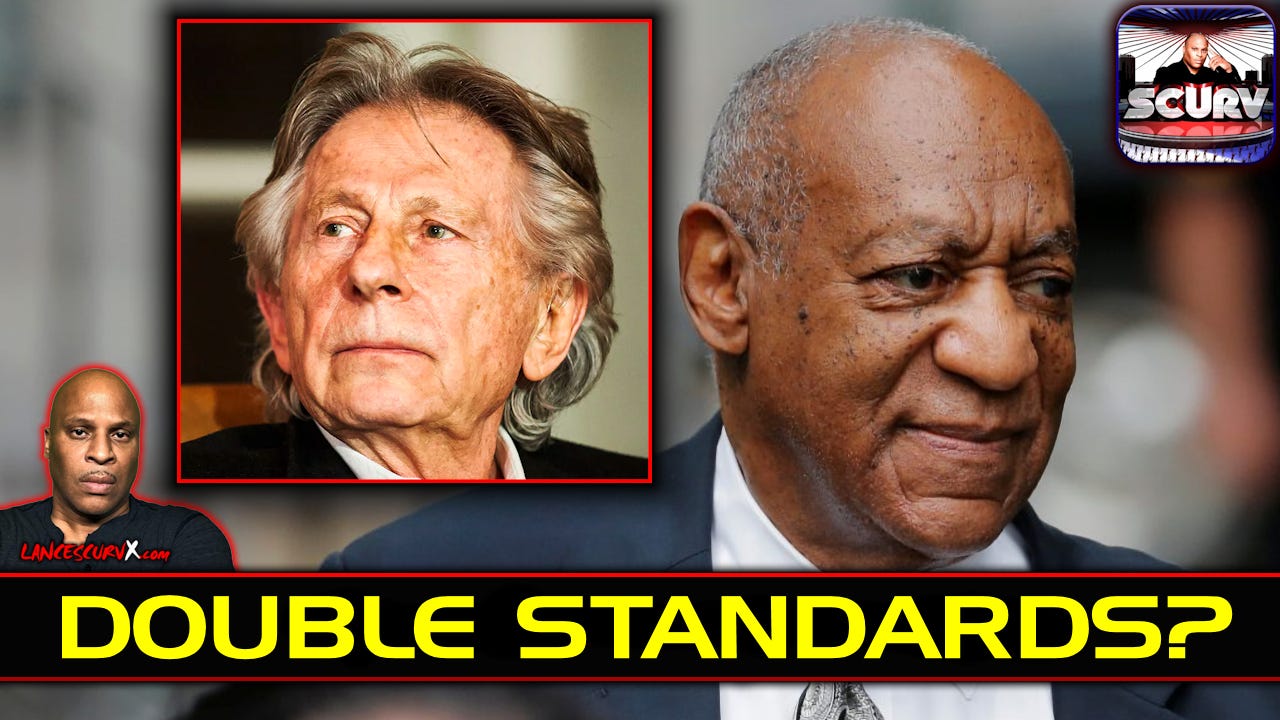
Bill Cosby’s life reflects that complicated reality. For decades he was celebrated as America’s favorite television father while building an entertainment empire and creating opportunities that inspired millions. Later, his reputation changed dramatically after numerous women accused him of sexual assault. In 2018 he was convicted in one criminal case, but that conviction was later overturned because of a legal issue involving prosecutorial agreements rather than a finding that the underlying allegations were false. Even today, people continue to disagree over what his legacy should be.
At the same time, another famous figure, Roman Polanski, pleaded guilty in 1977 to unlawful sexual intercourse with a 13-year-old girl, left the United States before sentencing, and has lived for decades outside the country. His case has remained one of the most discussed examples of a fugitive from American justice continuing to work in the film industry.
Looking at these two stories side by side raises difficult questions. Why do some public figures remain symbols of disgrace while others continue receiving professional recognition? Why does public outrage seem louder in some cases than in others? And how much do race, wealth, celebrity, media coverage, and politics shape the answers?
THE COURT OF PUBLIC OPINION
Long before social media existed, the media had enormous power to influence public perception. Today, that power has multiplied. News travels instantly, headlines spread around the world in seconds, and public opinion often forms before people read the details.
That’s why I’ve always said that there are really two courts operating at the same time. One is the courtroom governed by laws, evidence, and legal procedures. The other is the court of public opinion, where emotions, headlines, personal beliefs, and social pressure often decide the verdict long before a judge or jury does.
Once someone has been placed into that second courtroom, escaping it becomes almost impossible. Even when legal outcomes change, public perception often doesn’t. A reputation can be permanently damaged whether someone is convicted, acquitted, or has a conviction overturned.
That reality doesn’t mean every accused person is innocent. It also doesn’t mean every public narrative is completely accurate. It simply means that public opinion has become one of the most powerful forces in modern society.
DOES RACE CHANGE THE CONVERSATION?
It’s impossible to ignore that race has historically influenced many American institutions, including media coverage and public discourse. Whether those influences explain every individual case is open to debate, but it’s reasonable to ask whether race sometimes affects who receives sympathy, who receives forgiveness, and who becomes permanently defined by scandal.
Throughout American history, successful Black entertainers have often carried enormous symbolic weight. Their achievements represented more than personal success. They became symbols for entire communities that rarely saw themselves represented at the highest levels of wealth and influence.
When a figure like that falls, the impact reaches far beyond one individual. Communities lose an icon. Critics feel vindicated. Supporters struggle to separate accomplishments from personal conduct. The emotional reaction becomes far larger than the legal case itself.
That’s why conversations about Bill Cosby continue years after his criminal conviction was overturned. Many people focus primarily on the accusations against him. Others focus on legal principles, due process, and consistency in how society responds to different public figures. Those debates aren’t likely to disappear anytime soon.
THE QUESTION OF GENERATIONAL WEALTH
Another issue worth discussing is generational wealth. Whenever someone builds enormous financial influence, especially across decades, questions naturally arise about who benefits from that success and who may feel threatened by it. But it’s important not to assume hidden motives without evidence.
Instead, we should ask broader questions. Why do some wealthy public figures recover from scandal while others never do? Why are some able to rebuild their careers while others remain permanently excluded? Why do audiences forgive certain celebrities more easily than others?
Those aren’t conspiracy questions. They’re questions about culture, media, economics, and human psychology.
CAN WE HOLD TWO THOUGHTS AT ONCE?
One of society’s biggest challenges is learning to hold more than one truth in our minds at the same time.
It’s possible to acknowledge someone’s enormous cultural contributions while also recognizing serious allegations or criminal conduct. It’s possible to believe victims deserve to be heard while also believing every defendant deserves due process. It’s possible to question media consistency without denying established facts.
Too often we’re pressured into choosing one extreme or the other. Reality usually lives somewhere in the uncomfortable middle.
That’s where honest conversations happen.
THE BIGGER CONVERSATION
This discussion isn’t really about choosing heroes or villains. It’s about examining whether our standards remain consistent across race, wealth, influence, and celebrity.
If society believes justice should be equal, then equal standards should matter regardless of fame or background. If accountability matters, then it should matter across the board. If redemption is possible, then we should ask why some people are allowed that opportunity while others are not.
Those questions deserve thoughtful discussion rather than emotional slogans.
As I’ve always believed, truth isn’t afraid of questions. Only fragile narratives are.
The more we allow difficult conversations without fear, the closer we move toward genuine understanding. We don’t strengthen justice by refusing to ask uncomfortable questions. We strengthen it by demanding consistency.
Whether you agree or disagree with my perspective, I hope this discussion encourages you to think deeper than the headlines. Look beyond the emotional reactions. Study the facts. Examine the legal outcomes. Compare how similar situations are treated. Ask who shapes public opinion and why.
Most importantly, don’t let anyone do your thinking for you. That’s the greatest power you’ll ever possess. Once you surrender independent thought, you’ve already lost the most valuable freedom you’ll ever have.