


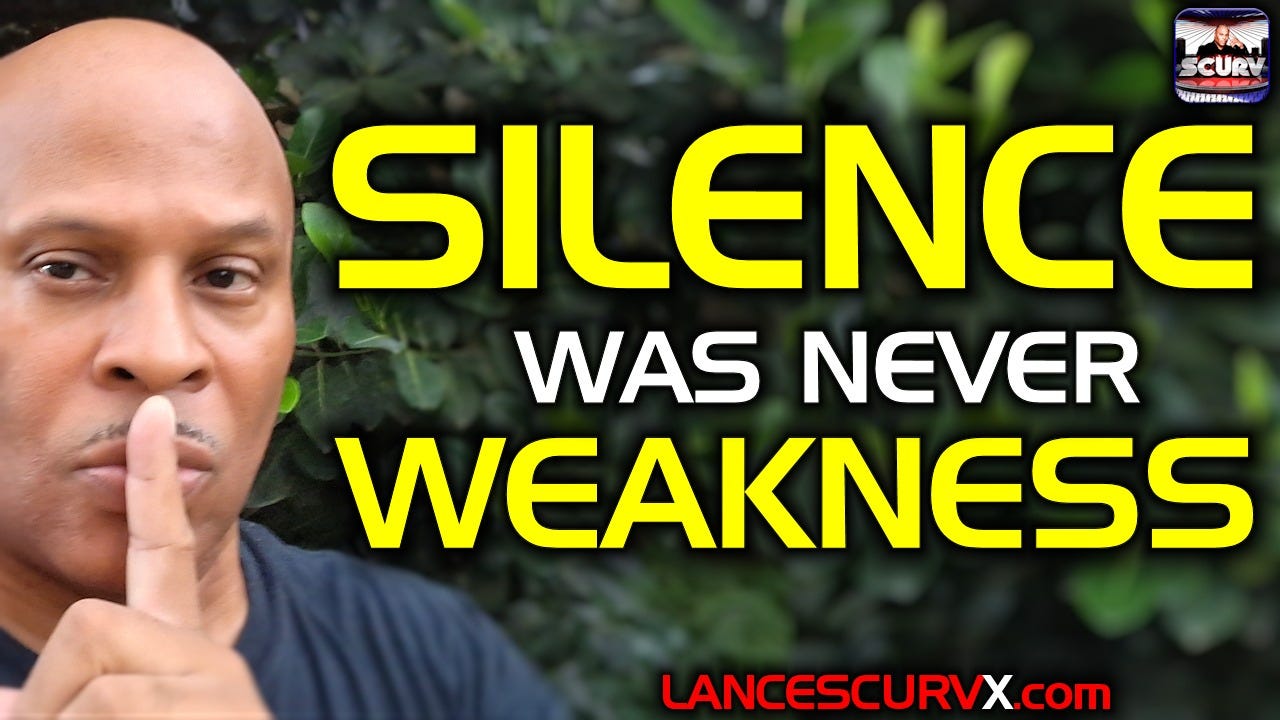
There is a kind of man society rarely talks about anymore. Not because he failed, but because he never made noise. He didn’t complain. He didn’t demand attention. He didn’t perform for approval. He simply showed up and carried what needed to be carried.
These men are easy to miss because they don’t announce themselves. They don’t argue online. They don’t turn struggle into identity. They move quietly through life, handling responsibility without applause. And when they begin to pull back, people don’t notice right away. Things just start to feel heavier.
They are not dramatic. They are not broken. They are not loud. They are consistent. And consistency doesn’t trend in a culture built on noise. When attention becomes currency, quiet reliability becomes invisible.
These men exist in every space. At work. In families. In communities. They fix problems before anyone sees them. They stabilize situations before they explode. They absorb pressure so others can function without realizing what’s being held together for them.
But something has shifted. The world no longer recognizes this kind of strength. And when quiet men stop giving what they once gave freely, the absence is felt long before it is understood.
THE MEN YOU NEVER NOTICE
There is a kind of man most people pass every day without seeing. Not because he hides, but because he doesn’t perform. He shows up on time. He does what needs to be done. He doesn’t narrate his effort or ask to be seen.
He learned early that speaking less creates fewer problems. That not every thought needs an audience. That not every disagreement needs to be won. So he became selective with his words. Careful with his energy.
This silence is often misunderstood. People assume quiet means empty. It doesn’t. Quiet men think deeply. They observe patterns. They measure outcomes. They speak when it matters, not when it feels good.
They learned through experience that speaking up often changed nothing. That explaining themselves invited friction. That consistency was rewarded with more responsibility, not appreciation. So they adapted.
They didn’t become bitter. They became efficient.
Quiet men don’t chase recognition. They don’t center themselves in every conversation. They don’t need to be validated to function. And because of that, they fade into the background of a culture that confuses visibility with value.
But make no mistake: these men are often the ones holding things together. When excitement fades, when motivation drops, when systems strain, they remain. They keep showing up. They keep things stable.
They are mistaken for replaceable because they don’t advertise their importance. And that misunderstanding has consequences.
WHEN SILENCE STARTED TO LOOK LIKE WEAKNESS
There was a time when restraint was respected. Calm meant control. Silence meant confidence. Strength meant knowing when not to speak.
That changed slowly.
Modern culture began rewarding volume. The loudest voice gained influence. The most expressive emotion gained sympathy. The most visible struggle gained attention. In that shift, quiet men lost their signal.
They didn’t change. The rules did.
Silence began to look suspicious. Calm began to look detached. Thoughtfulness began to look like avoidance. Men who didn’t perform emotion on command were labeled distant or disengaged.
But quiet men were never disengaged. They were selective.
They learned that not every conversation leads to understanding. Some only lead to noise. Some exist to extract reactions. So they stopped participating in those.
They learned that explaining intentions often invited debate instead of respect. That defending boundaries made people push harder. So they stopped over-explaining.
This wasn’t weakness. It was strategy.
Silence became a filter. When you speak less, your words carry weight. When you react less, people reveal more. When you explain less, your boundaries hold stronger.
But a culture that feeds on reaction finds silence uncomfortable. It can’t argue with it. It can’t reshape it. It can’t pull on it.
So silence was rebranded as a flaw.
Quiet men were told they needed to open up more, explain more, share more. What went unsaid was that many of those requests weren’t about understanding. They were about access.
Quiet men learned this quickly. So they protected their inner space. Not out of fear, but out of clarity.
They didn’t lose their voices. They stopped wasting them.
THE MEN WHO DIDN’T LEAVE — THEY WITHDREW
When people say men disappeared, they often imagine abandonment. That isn’t what happened.
Most quiet men didn’t leave. They withdrew.
They still work. They still show up. They still handle responsibility. But they stopped offering parts of themselves that were never protected.
Withdrawal looks subtle. Less explaining. Less emotional exposure. Less volunteering of inner thoughts. It doesn’t look dramatic, so it goes unnoticed.
But it’s significant.
Quiet men learned that openness often came at a cost. That vulnerability was sometimes used against them. That the more they explained, the more was expected. So they adapted.
They compartmentalized. Work stayed at work. Feelings stayed internal. Opinions stayed private.
This wasn’t coldness. It was containment.
They noticed a pattern: the more reliable they were, the more weight they carried. The more they carried, the less anyone checked on them. So they began to set internal limits.
They still did what was necessary. They just stopped doing what was optional.
They stopped over-functioning. They stopped compensating. They stopped filling gaps no one acknowledged.
From the outside, nothing seemed wrong. Inside, something had changed.
Quiet men didn’t stop caring. They stopped bleeding.
WHAT QUIET MEN REALLY CARRY
Quiet men are often mistaken for being low-maintenance. In truth, they carry more than most people realize.
They carry responsibility without drama. Pressure without performance. Stability without praise.
They absorb chaos so others don’t have to. They keep routines steady. They fix issues quietly. They regulate themselves so environments stay functional.
This takes discipline.
They don’t dump stress onto others. They don’t look for emotional witnesses. They don’t ask for reassurance every time something weighs on them. They adjust and move forward.
That’s why they’re dependable.
But reliability comes with a cost. When someone always holds things together, people stop noticing the effort. Stability becomes expected. Support becomes assumed.
Over time, quiet men realize something important: being useful is not the same as being valued.
So they begin to adjust. Not dramatically. Carefully.
They stop picking up what isn’t theirs. They stop managing emotions they didn’t create. They stop carrying responsibility that isn’t shared.
They still contribute. They just stop overextending.
From the outside, they look the same. Calm. Steady. Capable. But internally, a boundary has formed.
They are no longer giving from depletion. They are preserving themselves.
Quiet men don’t want applause. They want balance. They don’t want praise. They want fairness.
And when balance is missing, silence becomes protection.
WHY SOCIETY NEEDS QUIET MEN — BUT DOESN’T REWARD THEM
Modern life depends on stability. On systems that work. On people who don’t panic when pressure rises.
Quiet men are often the ones making that possible.
They keep things running when enthusiasm fades. They handle details others ignore. They absorb friction so outcomes stay smooth.
But stability is invisible when it works.
No one celebrates what didn’t break. No one applauds what didn’t fail. So the men who prevent collapse are rarely acknowledged.
Instead, attention goes to noise. Expression. Performance. Reaction.
Quiet men operate in the opposite direction. They maintain. They sustain. They stabilize.
And because of that, their work disappears into the background.
Over time, this creates imbalance. Contribution without recognition drains motivation. Not suddenly, but slowly.
Quiet men don’t rebel. They recalibrate.
They stop offering extra. They stop stepping in early. They stop absorbing more than their share.
And because they do it calmly, the shift goes unnoticed — until things start slipping.
Deadlines feel heavier. Systems feel shakier. Tension rises faster. Problems linger longer.
People ask why things feel less stable.
The answer is simple: the buffer is thinner.
Quiet men didn’t leave. They stopped overextending.
They didn’t withdraw from responsibility. They withdrew from being taken for granted.
They still contribute where there is respect. They still show up where balance exists. But they no longer give endlessly to systems that don’t see them.
They don’t need praise, but they do need reciprocity.
When that’s missing, they protect their energy.
WHY QUIET MEN STOP EXPLAINING THEMSELVES
Quiet men don’t stop explaining because they become arrogant. They stop because explanation stops working.
At first, they try to clarify. They offer context. They slow conversations down. They assume good intent.
Over time, they notice a pattern. The more they explain, the more they are questioned. The more they justify, the more their words are picked apart.
Explanation becomes leverage for others.
So they adjust.
They speak less. They answer briefly. They state decisions without long stories. They stop narrating their inner world.
This isn’t coldness. It’s boundary-setting.
They realize that constant explanation creates entitlement. That access, once given freely, is rarely respected.
Quiet men learn that privacy protects clarity. Fewer voices in their head lead to better decisions. Fewer justifications mean stronger boundaries.
This is why they appear more decisive with time. Not because they changed, but because they stopped carrying unnecessary input.
They don’t argue to be understood. They don’t over-communicate to feel safe. They let actions speak.
And when asked to explain silence, they often don’t. Because silence already answered the question.
They still care. They still feel deeply. They simply choose where to invest that care.
WHEN QUIET MEN FINALLY WALK AWAY
When quiet men walk away, it isn’t loud. There are no speeches. No confrontations. No announcements.
They simply stop compensating.
At first, nothing seems different. Then small things begin to slip. Delays appear. Tension rises. Processes feel heavier.
The systems they once buffered start to feel strain.
Quiet men don’t cause collapse. They reveal imbalance.
They stop carrying what was never theirs alone. They stop absorbing pressure that should have been shared.
They don’t walk away out of anger. They walk away out of clarity.
They gave consistency. They gave restraint. They gave stability. When those contributions went unrecognized, they recalibrated.
They still contribute — but only where respect exists.
They still care — but selectively.
They still show up — but not to be drained.
This is the part many miss. Quiet men don’t need attention to survive. They’ve lived without it. But when they choose distance, they take something vital with them: stability without spectacle.
That kind of strength is rare. And once someone learns to protect it, they don’t give it away again.
They build smaller, quieter worlds. Worlds where effort is balanced. Where boundaries are honored. Where silence is understood.
That isn’t rebellion. It’s resolution.
Quiet men didn’t disappear.
They remembered themselves.