

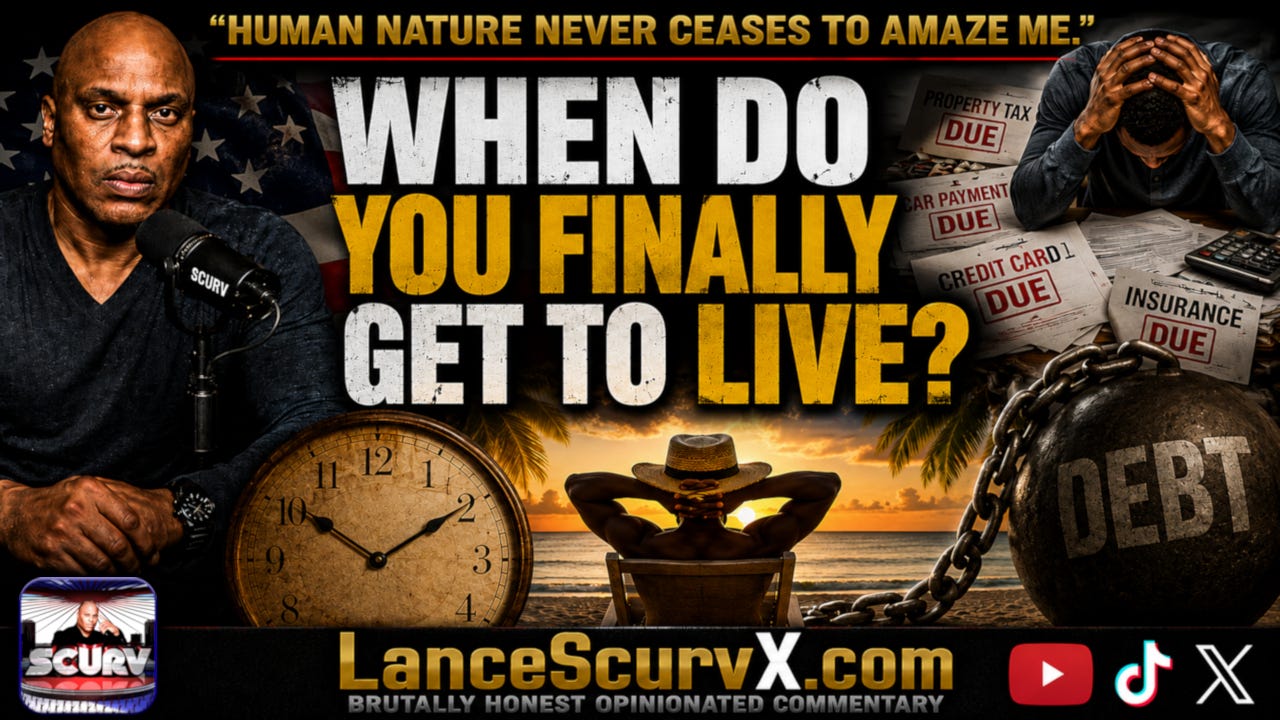
There’s something deeply disturbing about spending your entire adult life working, paying bills, raising a family, sacrificing vacations, putting off dreams, and finally reaching the day when you can say, “At least the house is paid off.” For generations, that moment represented freedom. No more mortgage payment. No more bank owning a piece of your life. No more sending a large check every month just to keep a roof over your head. You finally made it. Or at least that’s what many people were taught to believe.
But what happens when the mortgage is gone and the bills keep coming? What happens when property taxes rise, insurance rises, utilities rise, repairs rise, and the income you depended on during your working years begins to shrink after retirement? What happens when the value of your house goes up on paper, but your ability to pay the taxes on that increased value doesn’t go up with it? That’s when many Americans begin to understand something that isn’t discussed enough.
Paying something off and being financially free are not necessarily the same thing. You may no longer owe a bank for the house, but the cost of keeping that house can continue for the rest of your life. The same thing can happen with a vehicle. You can make the final car payment and celebrate, only to discover that insurance, registration, maintenance, repairs, taxes, fuel, and other costs are still waiting for you.
So when someone proudly says, “I’m debt-free,” I understand what they mean. They may have no mortgage, no car loan, and no credit card balance. That’s a tremendous accomplishment. But there’s another question that needs to be asked. Are you really financially free if your basic life requires a continuous stream of payments just to maintain what you already worked for?
That’s the uncomfortable conversation America needs to have. This isn’t about being negative, and it isn’t about predicting the end of the world. This is about waking up and looking at the numbers before the numbers force us to look at them. Because the pressure on ordinary people is real, household debt is enormous, prices have changed the meaning of a dollar, and too many people are trying to escape the stress instead of confronting the reality of the system they’re living in.
THE GREAT AMERICAN PROMISE OF OWNERSHIP
For a long time, the American dream came with a familiar picture. Work hard, get a job, build your credit, buy a house, buy a car, raise your family, pay everything off, retire, and relax. That picture still exists in the minds of millions of people, but the road leading to that picture has become much more difficult, and the finish line doesn’t always look the way people expected.
The official numbers tell us that American households are carrying an enormous amount of debt. According to the Federal Reserve Bank of New York, total household debt stood at about $18.8 trillion in the second quarter of 2026. Mortgage debt alone was more than $13 trillion. Auto loan balances were about $1.71 trillion, credit card balances were about $1.26 trillion, and student loan balances were about $1.65 trillion. Those aren’t small numbers. That’s a mountain of obligations sitting on the shoulders of American households. (newyorkfed.org)
And behind every trillion are millions of individual stories. Somebody is trying to pay the mortgage. Somebody is trying to keep the car from being repossessed. Somebody is carrying a credit card balance because groceries, medicine, repairs, or an emergency couldn’t wait until payday. That’s where the conversation becomes personal, because the economy can look healthy on television while somebody is sitting at their kitchen table trying to decide which bill can be paid late.
PAYING OFF THE HOUSE DOESN’T MEAN THE PAYMENTS END
Let’s be clear about something important. In the United States, homeowners can generally own both their house and land through a form of ownership called fee simple. So it’s not literally correct to say that nobody is ever allowed to own the land beneath their house. But here’s the part that creates the frustration: ownership doesn’t remove the government’s power to tax the property. And if property taxes become delinquent, serious consequences can follow under state and local law.
The average property tax burden varies dramatically depending on where you live. Recent data shows that effective property tax rates can range widely from one state and county to another. A home worth hundreds of thousands of dollars can carry a very different annual tax bill depending on its location. Tax Foundation property tax data
And this is where the emotional question becomes powerful. If you worked for decades to pay for your house, and then your income drops in retirement while taxes and other costs keep rising, how secure are you really? The Consumer Financial Protection Bureau itself reminds potential homeowners that the cost of a home goes far beyond the mortgage. Property taxes, insurance, maintenance, repairs, utilities, and sometimes homeowners association fees all have to be considered. A paid-off mortgage doesn’t erase those responsibilities. Consumer Financial Protection Bureau homeownership costs
That’s the part that can catch people off guard. They spent 30 years fighting the mortgage, thinking that once the mortgage was gone, they would finally be able to breathe. Then they discover that freedom still has an annual invoice.
WHEN EQUITY CAN DISAPPEAR
The issue becomes even more disturbing when people fall behind on property taxes. The United States Supreme Court addressed an important question involving a property owner whose property was taken over a relatively small tax debt. The Court ruled that governments cannot simply keep the excess value of a property beyond what is owed without potentially violating constitutional protections. In simple language, if a government takes property to satisfy a tax debt, the question of what happens to the owner’s remaining equity matters.
That’s an important legal protection, but it doesn’t change the fear that many people feel when they realize that falling behind on a relatively small obligation can put an extremely valuable asset at risk. You might have spent decades building equity. You might have raised your children in that house. You might have repaired the roof, painted the walls, replaced the floors, planted the trees, and watched your entire life unfold inside those rooms.
But financial systems don’t feel memories. They recognize balances, deadlines, and delinquency. And when somebody reaches old age with a fixed income, a rising tax bill can feel completely different than it did when they were younger and working full-time. This isn’t an argument that taxes should never exist. Communities need schools, roads, emergency services, and public infrastructure. But the system has to be examined honestly when a person can spend a lifetime paying for a home and still face financial danger because the continuing costs become greater than their ability to pay.
That’s where the word “ownership” begins to feel complicated.
THE CAR YOU PAID FOR STILL COSTS YOU MONEY
The same thing happens with automobiles. You finally make that last payment and you feel relief because there’s no more monthly note and the title is yours. But you still have insurance, maintenance, repairs, fuel, and annual registration and licensing costs depending on where you live. The Consumer Financial Protection Bureau warns consumers to look beyond the monthly payment because the true cost of owning a vehicle includes taxes, title and registration fees, insurance, maintenance, and repairs. Longer loans can also increase the total amount paid in interest. Consumer Financial Protection Bureau vehicle costs
So once again, the words “paid off” don’t mean the financial relationship has ended. You paid off the loan, but you didn’t pay off the future expenses. And that’s a major difference.
THE DOLLAR DOESN’T FEEL THE WAY IT USED TO
One of the greatest pressures on the average American is the simple fact that money doesn’t stretch the way it once did. People can argue over economic charts and political talking points all day long, but ordinary people understand inflation in a very simple way. You notice it when you buy food, when your insurance bill arrives, when you fill up your vehicle, when you try to repair something, and when a vacation that used to cost a reasonable amount now requires a credit card.
The Bureau of Labor Statistics tracks both wages and inflation because what matters isn’t simply how much money you make. What matters is what that money can actually buy. Recent data continues to show how changes in prices affect purchasing power. Bureau of Labor Statistics economic data
That’s why someone can technically earn more money than they did years ago and still feel poorer. More dollars don’t automatically mean more life. If the cost of everything around you rises faster than your ability to earn, save, and invest, then you’re running harder just to remain in the same place. That’s exhausting, and millions of people are exhausted.
ONE JOB USED TO FEEL LIKE A FOUNDATION
There was a time when many people believed that a steady job could support an entire household. That doesn’t mean life was easy, because it wasn’t. But for many families, one reliable income could cover the basics with some room to breathe. Today, many households feel like they’re constantly stacking income sources just to keep up. One job may lead to a second job, overtime, a side hustle, food delivery, online work, weekend work, selling things, or borrowing against the future while using credit cards to survive the present.
And when you live like that long enough, something begins to happen to your mind. You stop feeling like you’re building a life and start feeling like you’re maintaining an emergency. That’s no way to live forever. Federal Reserve Bank of New York data has shown that while total household debt changes from quarter to quarter, credit card and auto loan balances remain major financial burdens, while many households continue struggling with delinquent payments. Federal Reserve Bank of New York household debt data
That doesn’t mean every American is drowning, but it does mean that millions of Americans are operating with very little room for mistakes. One medical emergency, one job loss, one major repair, one family crisis, or one unexpected bill can cause an entire financial structure to begin shaking.
THE CREDIT CARD IS BECOMING AN EMOTIONAL PAIN RELIEVER
Credit has become more than a financial tool for many people. Sometimes it’s an emotional anesthetic. You’re stressed, so you buy something. You’re depressed, so you go shopping. You hate your job, so you put an expensive vacation on a credit card. You feel empty, so you spend money for a few hours of excitement. You don’t feel successful, so you buy things that make you look successful.
Then the bill arrives, and now you’ve purchased temporary happiness with future stress. That’s a terrible trade. The problem isn’t enjoying life, taking a vacation, or buying something nice. The problem is when you’re borrowing money to create a lifestyle that your real income can’t support.
A vacation should refresh you, not follow you home in the form of monthly payments. A night out should be enjoyable, not become another financial burden sitting beside the mortgage, insurance, taxes, utilities, groceries, and car expenses. Too many people are using money they haven’t earned yet to escape a life they haven’t learned how to enjoy. And the escape always ends, because the credit card doesn’t forget.
THE MANY WAYS PEOPLE ESCAPE
When people feel trapped, they look for a door. Unfortunately, not every door leads to freedom. Some people escape into alcohol, drugs, gambling, pornography, shopping, endless sexual activity, unhealthy relationships, constant entertainment, or social media. For a few hours, they don’t have to think about the bills. They don’t have to think about Monday morning. They don’t have to think about the job they hate or the money that’s already spent before the next paycheck even arrives.
But the problem with escape is that reality waits. The bills don’t disappear because you got drunk. Debt doesn’t disappear because you watched pornography. The mortgage doesn’t disappear because you took another vacation. Stress doesn’t disappear because you spent another night partying. Eventually, morning comes, and when morning comes, the same life is sitting there waiting.
That’s why we have to look deeper than the behavior. Sometimes people aren’t simply lazy. Sometimes they’re exhausted. Sometimes they’re financially confused. Sometimes they’re addicted to temporary pleasure because they haven’t found a sustainable way to experience peace. And sometimes they have simply lost hope.
THE DANGER OF GIVING UP
That’s what concerns me the most. Not debt by itself, not taxes by themselves, and not inflation by itself. The greatest danger is when people decide that there’s no point in trying anymore. They stop planning, saving, learning, and believing that their decisions can make any difference.
And when somebody gives up mentally, they become vulnerable to anything that promises instant relief. That’s when scam artists come. That’s when gambling advertisements look attractive. That’s when easy credit looks attractive. That’s when the “get rich overnight” schemes look attractive. That’s when people begin borrowing against tomorrow because they have emotionally disconnected from the future.
But the future is coming whether you’re ready or not. That’s why I believe we need urgency without panic, awareness without fear, and realism without becoming doomsayers.
THE NATIONAL DEBT AND THE BIGGER PICTURE
There’s also a larger question hanging over all of this. The federal government itself carries debt measured in the tens of trillions of dollars. The U.S. Treasury tracks the total public debt outstanding through its “Debt to the Penny” system, and the exact number changes constantly. But the scale itself should tell us something important: debt isn’t just a problem that exists in the kitchen of the average American family. Debt is built into the larger financial picture as well. U.S. Treasury Debt to the Penny data
Now, that doesn’t mean the United States is about to collapse tomorrow. It doesn’t mean that you should empty your bank account, run into the woods, and wait for the end of civilization. That’s not what I’m saying. But I am saying that ordinary people should understand the environment they’re living in.
We live in a society where debt is normal. Governments carry debt. Businesses carry debt. Universities carry debt. Families carry debt. Students carry debt. Homeowners carry debt. Drivers carry debt. And then people are shocked when they discover that the system has trained them to believe that owing money forever is simply a normal part of adulthood.
Maybe that’s the question we should be asking: When did permanent financial obligation become normal?
THE SYSTEM PROFITS FROM YOUR CONSTANT PAYMENT
Look around at how many different directions your money travels every month. Housing, taxes, insurance, transportation, fuel, food, utilities, internet, phones, medical costs, subscriptions, interest, registration, repairs, and maintenance all demand their share. And that’s before you even begin talking about enjoying life.
The average person doesn’t wake up and think, “How can I spend every dollar I earn?” But the system around them is filled with an endless series of bills waiting to receive those dollars. That’s why financial freedom can’t simply mean, “I paid off one thing.” Real freedom is having enough room in your life to make decisions without every decision being controlled by fear.
Can you leave a job you hate? Can you handle an emergency? Can you take time to recover when life hits you? Can you help a family member without destroying yourself financially? Can you enjoy an afternoon without your mind constantly calculating the next automatic payment coming out of your account? That’s a different kind of wealth, and unfortunately, many people with expensive cars, big houses, and impressive lifestyles don’t have it. They may look rich, but they may be financially trapped.
STOP CONFUSING APPEARANCE WITH FREEDOM
America has become very good at selling appearances. The new vehicle, luxury vacation, expensive clothing, restaurant meals, newest phone, bigger house, perfect photographs, and carefully designed social media image can all create the appearance of success.
But nobody posts the credit card statement with the same excitement. Nobody uploads a photograph of the overdue notice. Nobody makes a glamorous video about struggling to pay property taxes. Nobody shows the panic that happens when an unexpected repair destroys the monthly budget.
So people compare their real lives to the edited lives of other people, and then they spend money trying to keep up. That’s one of the most dangerous games of all, because the person you’re trying to impress may be broke too. They just have a better camera angle.
THIS IS NOT THE TIME FOR CARELESS LIVING
I’m not telling anyone to stop enjoying life. I’m saying we have to become more honest about what we can actually afford. This may not be the time to take a vacation you have to finance with a credit card. This may not be the time to buy a vehicle simply because the monthly payment looks manageable while the total cost quietly destroys your future.
This may not be the time to spend every weekend drinking, partying, shopping, and escaping while your financial foundation is getting weaker. Enjoy your life, but don’t borrow against your peace. Don’t create five years of stress for five days of excitement. Don’t spend money to impress people who aren’t going to help you pay the bill.
And don’t allow entertainment to become a substitute for building a life that you don’t constantly need to escape from.
YOUR LIFE SHOULD FEEL LIKE A VACATION
This is where I want to take the conversation somewhere deeper. My goal isn’t to live a life where I only feel happy during two weeks of vacation every year. I don’t want to spend fifty weeks suffering so I can enjoy two weeks of freedom. That’s backward.
Your life should have moments of peace built into it. Every day should have some sunshine in it. That doesn’t mean you’re lying on a beach every morning, and it doesn’t mean you don’t work or have responsibilities. It means that your entire existence shouldn’t feel like a prison sentence with occasional weekends off for good behavior.
You should be able to sit outside and enjoy the air. You should have time to laugh. You should have meaningful relationships. You should be able to walk without your mind constantly calculating bills. You should have moments where you aren’t producing, performing, spending, or proving anything to anybody.
That’s what I mean when I say your life should feel like a vacation. I’m not talking about luxury. I’m talking about freedom, peace, time, sunshine, breathing room, and the ability to wake up and feel like your life belongs to you.
MAYBE THE ANSWER ISN’T MORE STUFF
For some people, reducing the pressure may mean living with family for a period of time. For others, it may mean moving to a less expensive area. For some, it may mean relocating to another country where their income can provide a different quality of life. For others, it may mean selling a large home and choosing something smaller and easier to maintain.
It may mean sharing expenses, changing your relationship with consumption, realizing that you don’t need a new car every few years, or understanding that a smaller and more peaceful life can sometimes be richer than an expensive life filled with anxiety.
I’m not giving you a one-size-fits-all solution because everybody’s circumstances are different. But I am saying that we have to start asking better questions. Instead of asking, “What can I buy?” maybe we should ask, “What can I remove from my life so I can breathe?”
Instead of asking, “How can I look successful?” maybe we should ask, “How can I become harder to financially control?”
MY CLOSING THOUGHTS…
The greatest financial trap isn’t always the bill itself. Sometimes it’s the belief that we have no choice except to keep running faster inside the same system. That’s when we need to stop, think, and honestly examine the life we’re living. You may not be able to control inflation. You may not be able to control property taxes, interest rates, government debt, or the price of food. But you can begin paying closer attention to what you allow into your own financial life.
We have to stop treating every desire like an emergency. Everything doesn’t have to be purchased today. Every invitation doesn’t have to be accepted. Every vacation doesn’t have to happen right now. Every new product doesn’t have to be financed. Sometimes the strongest financial move you can make is simply saying, “No, I can’t afford that right now,” and having enough self-respect not to be ashamed of it.
The goal shouldn’t be to live in fear. The goal should be to build as much breathing room as possible. Pay down what you can. Avoid unnecessary debt when you can. Understand the continuing costs of what you own. Read the paperwork. Know your property tax situation. Know what you’re paying for your vehicle. Know where your money is going. Because financial awareness may not make you rich overnight, but ignorance can quietly make you poor for decades.
And while we’re doing all of that, let’s not forget why we’re trying to survive in the first place. Life isn’t supposed to be an endless cycle of waking up, working, paying bills, escaping for a few hours, sleeping, and doing it all again until your body finally gives out. We have to find some sunlight in the middle of the struggle. We have to build lives that contain peace now, not just dreams of peace after retirement.
Maybe we will never reach a world where every financial obligation disappears. But we can stop lying to ourselves about what freedom looks like. Real freedom begins when you see the system clearly, understand the price of your decisions, and stop allowing temporary pleasure to steal your future. The land of the free should challenge us to ask one final question: How free are we if we spend our entire lives paying for the right to keep what we already worked to earn?
SCURV