
THE DREAM THAT EVERY CREATOR CHASES
Every artist dreams of seeing their work reach the biggest audience possible. Whether it’s a book, a painting, a song, or a screenplay, the hope is always the same. You want your ideas to travel farther than you ever could alone. You imagine people from every corner of the world experiencing something that once existed only inside your own mind.
That’s why opportunities from major studios, publishers, and entertainment companies can feel like the answer to years of sacrifice. After countless late nights, financial struggles, rejection letters, and self-doubt, somebody finally says they believe in your vision. It’s the moment many creators spend their entire lives working toward.
But success comes with a question that many people never stop to ask until it’s too late. What exactly are you giving away in exchange for that opportunity? It’s easy to focus on the size of the paycheck, the publicity, and the excitement of reaching millions of people. It’s much harder to think about what happens after the ink dries on the contract.
That’s when reality often begins to look very different from the dream. Creative control becomes shared control. Shared control slowly becomes limited control. Before long, the person who created the entire world may discover they’re no longer the one making the biggest decisions about it.
That’s not always because anyone involved is acting with bad intentions. It’s because large productions aren’t driven by one person’s vision. They’re driven by business, marketing, investors, scheduling, international audiences, and countless people trying to make decisions they believe will generate the greatest financial return.
WHEN BUSINESS MEETS CREATIVITY
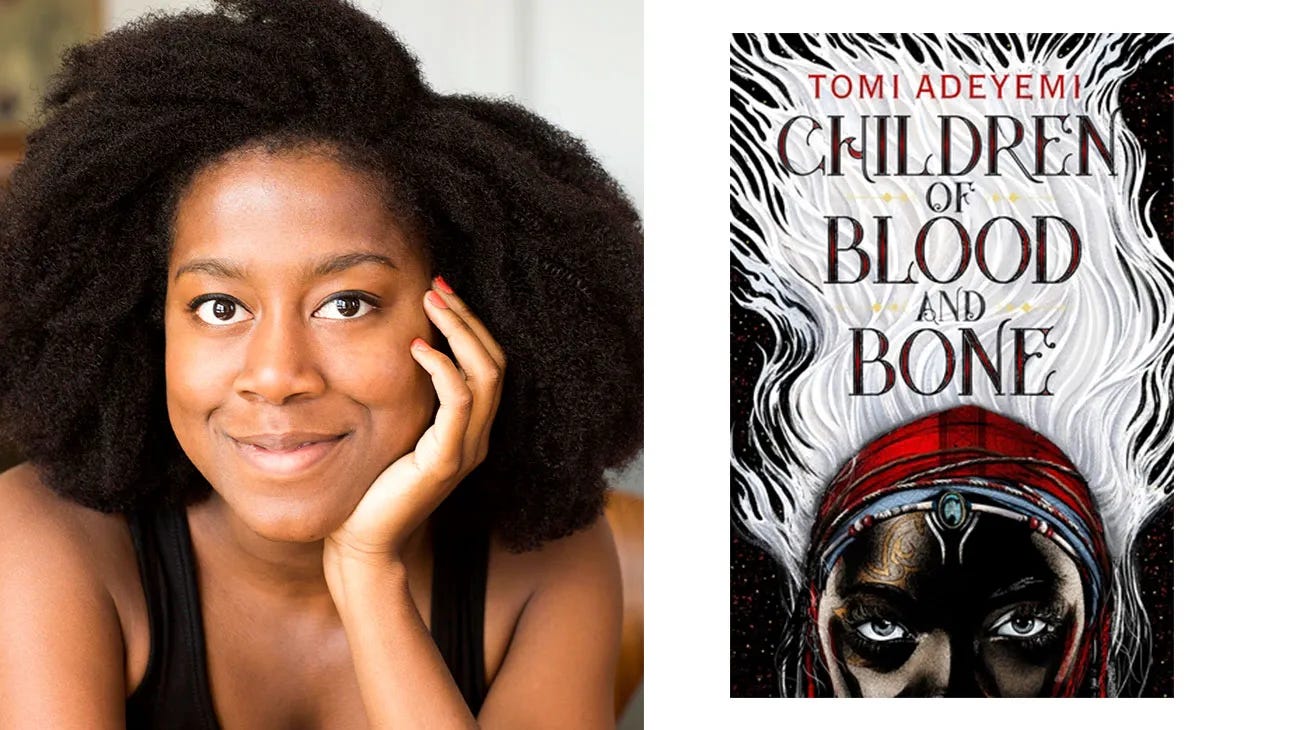
This is where many conversations become emotional, and understandably so. People often assume that if an artist becomes unhappy with an adaptation, someone must have betrayed them. Sometimes that’s true. Sometimes it isn’t. The truth is usually much more complicated than social media allows.
Creating a book and producing a major motion picture are two completely different worlds. A novel can come from one imagination. A film can involve hundreds or even thousands of people. Producers, directors, casting departments, marketing executives, investors, distributors, consultants, and legal teams all become part of the process.
Every one of those people has an opinion.
Every one of those opinions can influence the final product.
Little by little, the original vision can begin to change. One adjustment may seem harmless. Another may appear necessary for marketing. Another may be made because executives believe it will appeal to a broader audience. Eventually, the final version may still resemble the original work, but it may no longer feel like the same creation to the person who first imagined it.
That’s where many fans find themselves confused. They ask why the creator doesn’t seem excited anymore. They wonder why promotional interviews become limited. They notice a certain silence where excitement once existed. Since nobody outside the negotiations knows every conversation that happened behind closed doors, speculation quickly fills the empty space.
Unfortunately, the internet has become a machine that rewards assumptions more than patience. Before verified information ever appears, millions of opinions have already been formed. Entire narratives take shape based on screenshots, rumors, edited clips, and emotional reactions. Facts often arrive long after public opinion has already reached its verdict.
That’s why it’s dangerous to rush toward certainty when only fragments of the story are available. Silence doesn’t automatically prove guilt. Neither does disagreement automatically reveal who was right or wrong. Sometimes the most honest answer is simply admitting that we don’t know everything.
SOCIAL MEDIA HAS CHANGED THE COURT OF PUBLIC OPINION
Years ago, disagreements inside the entertainment industry rarely became public unless lawsuits were filed or official statements were released. Today, one short video, one social media post, or one screenshot can dominate headlines across the globe within hours.
That’s created a culture where everyone feels expected to choose a side immediately. People begin defending individuals they have never met while attacking others they know almost nothing about. Complex business relationships become simplified into heroes and villains because that’s easier for algorithms to promote.
But real life rarely works that way.
Creative partnerships are complicated. Contracts are complicated. Hollywood is complicated. Human emotions are complicated.
What makes today’s environment even more difficult is that every silence becomes suspicious. If someone refuses to explain themselves, people assume they’re hiding something. If someone speaks too much, they’re accused of seeking attention. If they defend themselves, they’re called defensive. If they remain quiet, they’re called guilty.
It’s a no-win situation.
The internet rarely rewards restraint. It rewards outrage. The louder the controversy becomes, the more engagement it receives. That’s why rumors often travel faster than verified facts. Emotion spreads at the speed of light while truth usually takes the longer road.
As audiences, we have to ask ourselves whether we’re consuming information or simply consuming drama. There’s a difference. One helps us understand reality. The other simply entertains us while convincing us we’ve become experts on situations we’ve never witnessed firsthand.

WHEN THE CREATOR BECOMES A SPECTATOR
One of the hardest realities for any creator to accept is that there may come a day when they feel like an outsider looking at something they originally built from nothing. Imagine spending years creating a world, developing characters, writing dialogue, and carefully shaping every emotion, only to discover that your influence has become smaller with every new business decision made by people you’ve never met.
That’s a painful place to be, and it’s a lesson every independent creator should think about long before success arrives. Too many people only study contracts after opportunity knocks. By then, emotions are high, dreams are within reach, and saying “yes” feels far easier than slowing down long enough to understand every consequence.
The entertainment business has always operated on leverage. The side with the greatest financial resources usually has the greatest negotiating power. A first-time creator may possess the imagination that started the entire project, but the company financing a production often controls the machinery that turns an idea into a worldwide release. Those aren’t equal positions, even when both parties genuinely respect each other.
That’s why ownership and control aren’t always the same thing. A person can create something that changes the world and still discover that major decisions are no longer theirs to make. It’s a difficult truth, but it’s one that every writer, filmmaker, musician, and artist should understand before entering negotiations.
That’s also why independent ownership has become more valuable than ever before. Technology has created opportunities that previous generations could only dream about. Today, creators can publish books, build websites, produce films, stream live broadcasts, sell merchandise, and reach millions of people without waiting for permission from traditional gatekeepers. The road may be slower, but the steering wheel remains in your hands.
THE AUDIENCE ONLY SEES THE SURFACE
Most people judge the finished product because that’s all they ever see. They don’t witness the months of meetings, revisions, disagreements, compromises, legal discussions, budget limitations, or marketing decisions that shape every production. By the time audiences buy a ticket, years of invisible negotiations have already taken place.
That’s why it’s so easy for the public to oversimplify situations they don’t fully understand. One side releases a statement. Another side remains silent. Fans begin filling in the blanks with assumptions, and before long, speculation starts sounding like established fact.
We’ve reached a point where opinions are often treated like evidence. A viral post can influence millions before a single verified fact has been confirmed. Entire reputations can be damaged in a matter of hours simply because enough people repeated the same assumption.
That’s dangerous for everyone involved.
Today’s audience has more access to information than any generation before it, yet we’re also surrounded by more noise than ever. The challenge isn’t finding information anymore. It’s separating facts from emotion, evidence from assumptions, and truth from entertainment disguised as news.
That’s why patience has become a rare virtue. Waiting for complete information doesn’t generate clicks. Outrage does. Certainty does. Taking sides does. But truth often refuses to fit neatly into the categories the internet demands.
REPRESENTATION IS ABOUT MORE THAN CASTING
Whenever a major production centers on Black stories, conversations about representation almost always follow. Those discussions matter because representation shapes how communities see themselves and how the rest of the world sees them as well.
But representation isn’t just about who appears on the screen.
It’s also about who writes the story.
Who finances the production.
Who owns the intellectual property.
Who controls the marketing.
Who approves the final edits.
Who decides what stays and what gets removed.
Those questions rarely receive the same attention as casting decisions, yet they may have an even greater impact on the final product.
A community doesn’t gain true creative power simply because familiar faces appear on screen. Lasting power comes from ownership, decision-making authority, and the ability to preserve the original vision without unnecessary compromise. That’s where the conversation should grow deeper.
At the same time, audiences should recognize that no production can satisfy every expectation. Every adaptation requires choices. Some fans will embrace those choices. Others won’t. That’s part of adapting any beloved work. The challenge comes when disagreement turns into personal attacks instead of thoughtful discussion.
EVERY CREATOR SHOULD PAY ATTENTION
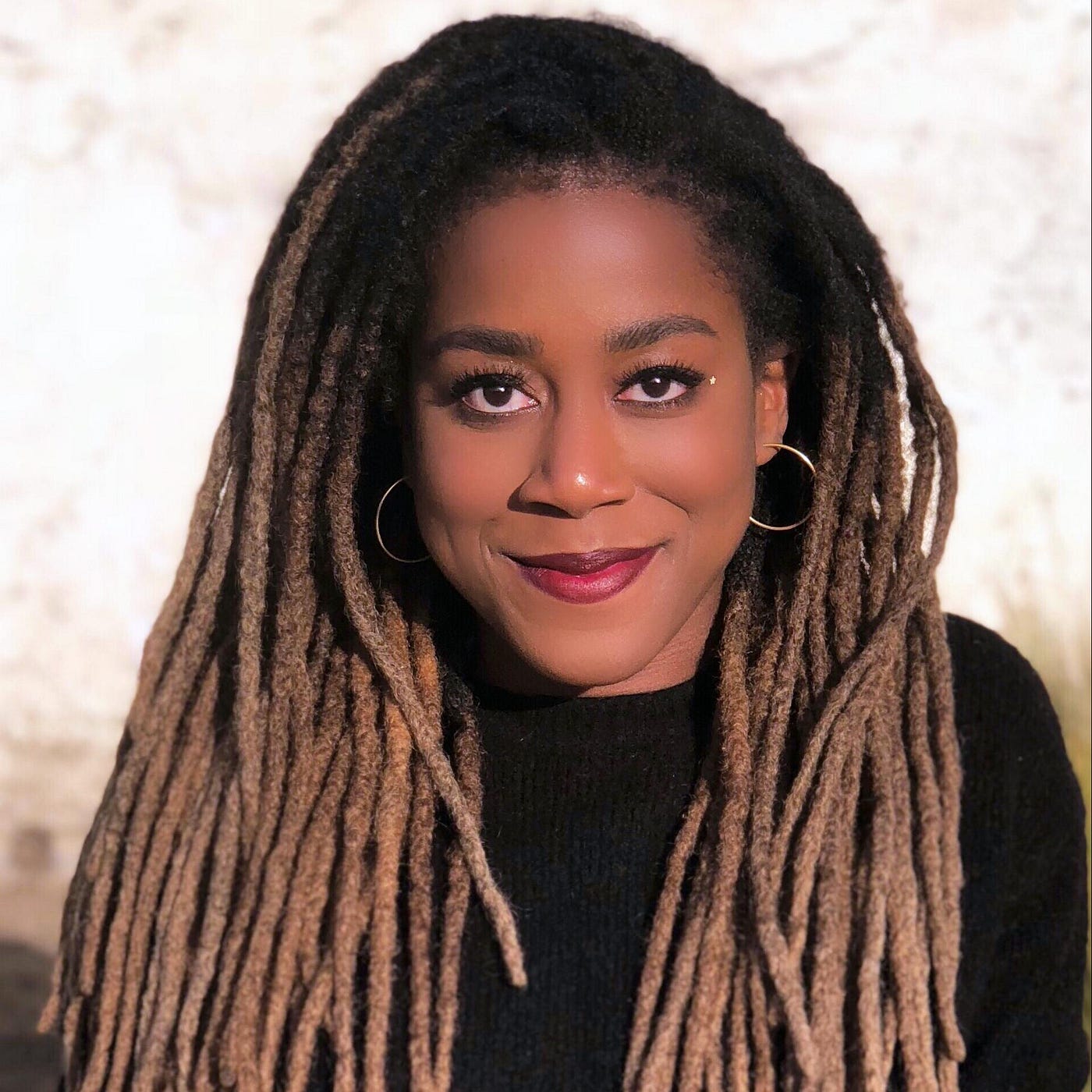
This controversy reaches far beyond one book or one film. It’s a reminder that every independent creator should educate themselves before success arrives. Learn about contracts before someone places one in front of you. Learn the difference between licensing and ownership. Learn what rights you’re keeping and which ones you’re surrendering.
Too often, creators spend years mastering their craft while spending almost no time mastering the business behind that craft.
That’s a costly mistake.
Knowledge becomes protection. Preparation becomes leverage. Understanding your rights gives you the confidence to negotiate from a position of wisdom instead of desperation. Even if you eventually decide that giving up certain controls is worth the opportunity, at least you’ll be making an informed decision instead of an emotional one.
The greatest victories aren’t always the ones that happen overnight. Sometimes the biggest win is building something patiently enough that you never have to ask permission to remain true to your own vision.
As creators, we should never confuse visibility with freedom. They’re not the same thing. A project can be seen around the world while the person who created it quietly wrestles with disappointment behind the scenes. Likewise, a smaller independent project may never dominate the headlines, yet it remains completely authentic because every creative decision belongs to the person who imagined it.
That’s a kind of success that can’t always be measured at the box office or by streaming numbers. It’s measured by integrity, ownership, and the peace that comes from knowing your voice remained your own.
The lesson here isn’t to reject opportunity. It’s to understand opportunity. Every contract deserves careful study. Every promise deserves thoughtful evaluation. Every creator deserves to know exactly what they’re agreeing to before taking the next step.
When we stop chasing exposure at any cost and start valuing ownership with equal passion, we’ll build a future where more creators can succeed without losing themselves along the way.
WHAT WE CHOOSE TO LEARN FROM THIS MOMENT
The biggest mistake we can make is reducing moments like this to gossip. Today’s headlines will eventually fade, another controversy will replace this one, and social media will move on as it always does. But the lessons underneath the noise deserve to stay with us. Every creator, every entrepreneur, and every dreamer should use moments like this to ask deeper questions about ownership, creative freedom, and the true cost of success. Those questions have value long after the trending hashtags disappear.
What also deserves our attention is how quickly we’ve become comfortable judging situations before all the facts are known. We’ve allowed algorithms to train us to react first and investigate later. That’s a dangerous habit because it doesn’t just affect celebrities or public figures. It affects all of us. Every day, ordinary people find themselves judged by incomplete stories, edited clips, and assumptions that spread faster than the truth ever could. If we’re serious about building stronger communities, then we’ve got to become better listeners before becoming louder critics.
For independent creators, this moment should serve as motivation instead of fear. It’s never been easier to build your own audience, publish your own work, create your own platform, and speak directly to the people who appreciate your vision. It may require more patience and more discipline, but every step taken toward independence strengthens your ability to protect what you’ve worked so hard to create. That’s a lesson worth embracing whether you’re writing your first page or producing your hundredth project.
I also believe it’s time for audiences to become more thoughtful supporters of original creators. Instead of only celebrating the finished product, let’s also appreciate the years of sacrifice that came before it. Let’s recognize the countless hours spent learning a craft, enduring rejection, and believing in an idea long before anyone else saw its value. Success rarely happens overnight, and neither do the difficult decisions that sometimes follow it. Compassion and curiosity should always have a place in these conversations.
At the end of the day, every creator has to look in the mirror and decide what matters most. Is it reaching the largest audience at any cost? Is it maintaining complete artistic control? Or is it finding the delicate balance between the two? Only the individual walking that path can answer those questions. As for the rest of us, perhaps the greatest lesson isn’t choosing sides at all. Perhaps it’s learning to think more deeply, ask better questions, value ownership as much as opportunity, and remember that every masterpiece begins with one person who dared to believe their voice deserved to be heard.