

THE WAR THAT MANY PEOPLE DON’T EVEN KNOW THEY’RE FIGHTING
There are battles that leave behind broken buildings, burned cities, and countless graves. Then there are battles that leave no smoke in the sky at all. Those wars are fought inside the human mind, where generations inherit beliefs they never questioned because they were taught so early in life. In my opinion, one of the greatest psychological battles ever waged against darker people across the world has been the relentless message that lighter skin equals greater value. It’s a message that’s traveled through families, schools, churches, television screens, magazines, advertisements, workplaces, and now social media. It’s become so deeply rooted that many people don’t even realize they’re participating in it every single day.
When I look across Africa, the Caribbean, North America, South America, parts of Asia, and countless communities where people with darker complexions live, I see a painful pattern that refuses to disappear. Skin-lightening creams, bleaching products, and whitening treatments continue to attract millions of customers. Behind every jar, bottle, tube, and chemical treatment lies something much deeper than cosmetics. What’s being sold isn’t simply lighter skin. What’s being sold is the promise of acceptance, opportunity, beauty, status, and belonging. That’s a heartbreaking price for any human being to pay because it begins with believing that who you naturally are isn’t enough.
Many people try to treat this subject like it’s only about fashion or personal preference. I don’t see it that way. I see it as the result of centuries of conditioning that taught darker people to measure themselves against standards they never created. When enough generations hear the same message over and over again, it slowly transforms into something that feels normal. Before long, children begin repeating ideas they were never born believing. Parents unknowingly pass along fears that were handed to them. Entire communities begin rewarding lighter skin while quietly overlooking the beauty that has always existed among them.
What’s even more troubling is how rarely honest conversations take place about this issue. People whisper about bleaching creams but rarely ask why someone feels compelled to use them. Families may celebrate the birth of a lighter-skinned child without realizing the emotional message being sent to the darker children standing beside them. Young people grow up noticing who receives compliments, who gets chosen, who gets promoted, and who appears on television. Long before they understand history, they’ve already begun absorbing lessons about value based on complexion.
That’s why this conversation isn’t about condemning individuals who choose to lighten their skin. It’s about examining the system of beliefs that convinced millions of people around the world that they needed to change themselves in the first place. In my opinion, the true crisis isn’t found inside the container of bleaching cream sitting on a store shelf. The real crisis begins inside the mind that believes happiness, success, love, and respect are waiting on the other side of becoming lighter.
BEFORE THE FIRST BLEACHING CREAM WAS EVER SOLD
Long before modern cosmetic companies filled store shelves with skin-lightening products, societies across the world often attached social meaning to skin color. In some places, lighter skin suggested that a person spent less time working outdoors and therefore belonged to a higher social class. Those beliefs existed in different civilizations for different reasons. Yet history took on an entirely different direction once European colonial expansion spread across Africa, Asia, the Caribbean, and the Americas.
As colonial governments established political and economic control over millions of people, they also carried with them their own cultural standards of beauty, power, education, and civilization. European languages became symbols of advancement. European clothing became signs of respectability. European religious traditions often replaced long-standing local customs. Over time, lighter skin also became closely associated with authority because the people occupying positions of power frequently possessed lighter complexions than those they governed.
In my opinion, that’s where the psychological damage became far more dangerous than the physical occupation itself. Land can eventually be reclaimed. Governments can change. Flags can be lowered and replaced. But when people begin believing that their own natural appearance makes them less worthy, the chains remain long after political independence arrives. That’s the kind of prison that doesn’t require walls because it’s built inside the imagination.
Generation after generation grew up seeing who owned the businesses, who controlled education, who held government offices, who wrote the history books, and who defined beauty. Even after colonial rule ended in many nations, the images remained. Television reinforced them. Movies strengthened them. Advertising expanded them. International fashion often celebrated them. Without realizing it, many darker communities continued chasing standards that had been established during periods when they had little power to define themselves.
That’s why the story of skin bleaching isn’t simply about cosmetics. It’s about history living inside modern culture. It’s about old ideas wearing new clothes. A cream sitting on a store shelf today may appear modern, but the belief that fuels its popularity can often be traced back through generations of cultural conditioning. The product may be new. The wound it promises to heal is much older.
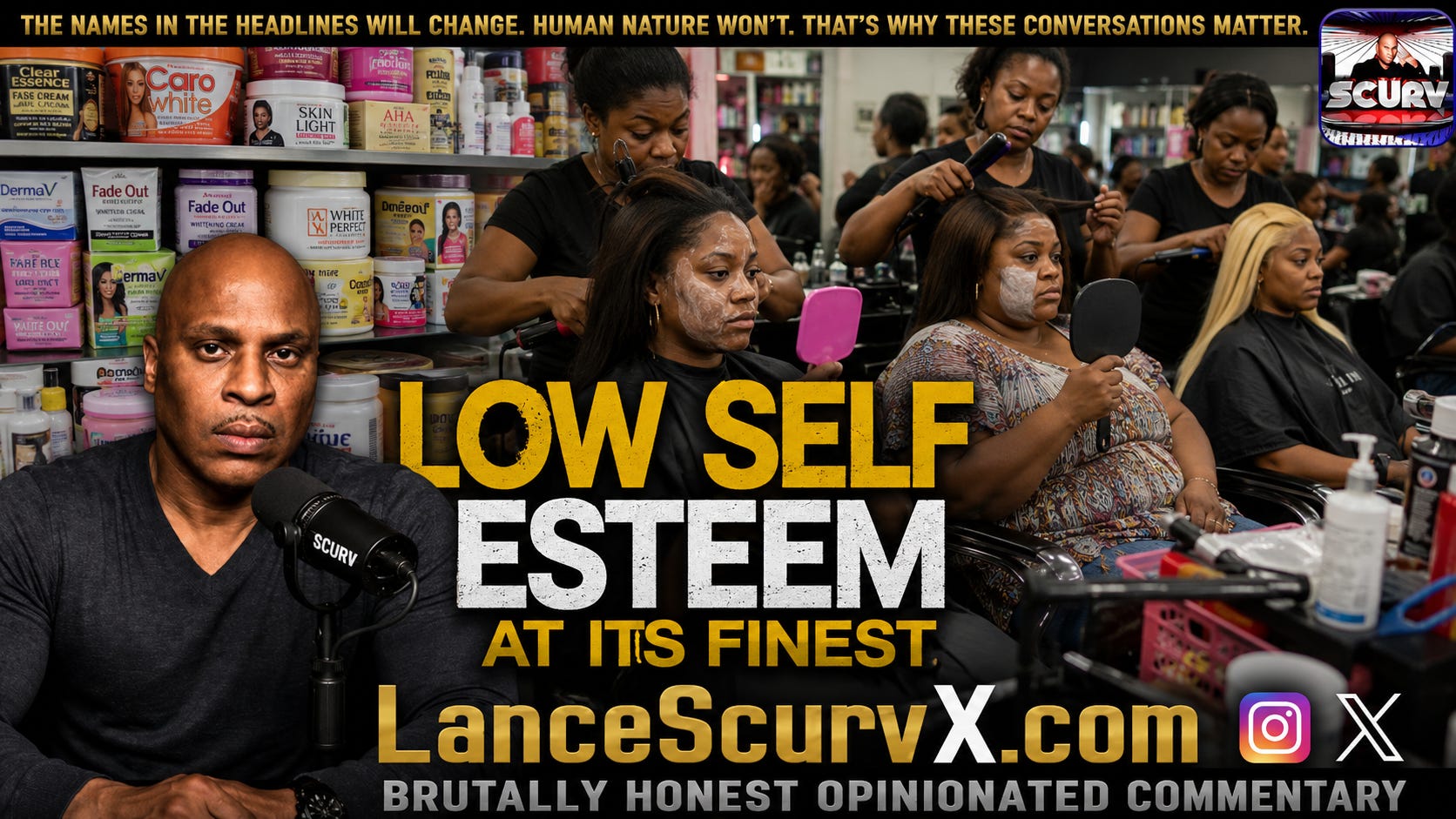
WHEN COLORISM MOVED INTO THE HOME
One of the saddest parts of this conversation is that colorism didn’t remain outside the community. Over time, it found a home within families themselves. Children learned very early which relatives were praised for having “good hair,” lighter skin, or features considered closer to European beauty standards. Those compliments often sounded harmless, yet they quietly shaped self-esteem.
A darker child sitting in the same room may never hear direct criticism. Instead, they simply notice who receives the extra attention. They notice which sibling is called beautiful first. They notice whose photographs relatives proudly display. They notice which cousin is constantly admired because of lighter skin. Children are remarkably observant, and they often form lasting beliefs from experiences adults barely remember.
In some communities, people began using words and phrases that ranked complexions almost like grades in school. Marriage conversations sometimes centered around finding someone lighter. Dating preferences became tied to complexion. Some people even believed that marrying someone with lighter skin would somehow improve future generations. Whether openly stated or quietly implied, those beliefs carried enormous emotional weight.
It’s important to recognize that these attitudes didn’t develop in isolation. They were reinforced by social structures, historical inequalities, media representation, and economic realities over long periods of time. That doesn’t excuse them, but it does help explain why they became so widespread. Understanding where an idea comes from is often the first step toward deciding whether it deserves to continue.
Today, many young people inherit these attitudes without realizing their origins. They may believe they’re simply expressing a preference when, in reality, their preferences have been shaped by decades—or even centuries—of messages about which appearances are rewarded. That’s why examining history matters. It allows us to ask an uncomfortable but necessary question: are these truly our own beliefs, or are we repeating ideas that someone else taught us to believe long ago?
WHEN THE MIRROR BECOMES YOUR ENEMY
One of the greatest tragedies surrounding skin bleaching isn’t the cream itself. It’s the relationship that develops between a person and their own reflection. Imagine waking up every morning and believing that the very skin you were born with is standing in the way of your happiness. That’s a heavy burden to carry because the battle never really ends. Every glance in the mirror becomes another reminder that you’re trying to escape yourself instead of embracing who you naturally are.
In my opinion, that’s one of the cruelest victories of psychological conditioning. A person no longer needs someone else to criticize them because they’ve learned to do the work themselves. They become both the victim and the enforcer of an idea that tells them darker skin must be corrected before they can truly belong. That’s a painful place to live because no amount of bleaching can erase the fear that another flaw will eventually need fixing too.
The beauty industry has long understood a simple truth. People who feel secure about themselves don’t spend nearly as much money trying to change who they are. Throughout history, businesses have often made profits by convincing consumers that they’re incomplete without a particular product. That’s not unique to skin-lightening creams. It’s also true of countless beauty products sold around the world. Yet when those products promise to change a person’s natural complexion, they tap into something far deeper than appearance. They reach into identity itself.
The marketing has evolved over time. Companies don’t always use direct language about race or complexion anymore. Instead, many advertisements speak about achieving a brighter look, a more radiant complexion, a fresh glow, or a youthful appearance. While not every product marketed this way is intended to bleach the skin, the language can still resonate in societies where lighter skin has long been associated with beauty and social advantage. That’s why understanding the cultural context matters just as much as reading the label on the package.
THE PRICE PAID BY OUR CHILDREN
Children aren’t born believing that one shade of skin is better than another. They learn those ideas by watching the adults around them. They pay attention to the jokes people laugh at, the compliments people receive, the dolls that fill store shelves, the heroes shown on television, and the faces chosen to represent success. Long before they understand politics or history, they’re already absorbing lessons about who matters.
A little girl may hear someone tell her she’s pretty because she’s light. Another little girl may hear she’s pretty despite being dark. Those two compliments may sound similar, but they carry completely different messages. One says your complexion adds to your beauty. The other quietly suggests your complexion is something that had to be overlooked before your beauty could be recognized.
Young boys experience their own version of this conditioning. They may hear conversations about finding a woman with lighter skin to improve the family’s appearance. They may grow up believing darker women are less desirable because that’s what they constantly hear celebrated around them. By the time they become adults, those ideas often feel like personal preferences instead of learned behavior.
Social media has added another layer to this struggle. Young people now compare themselves to carefully edited images from around the world every single day. Filters brighten skin. Cameras smooth imperfections. Beauty apps reshape faces with a single swipe. What’s presented as natural often isn’t natural at all. The result is a generation chasing an image that doesn’t even exist in real life.
The emotional cost can be devastating. Low self-esteem, anxiety, depression, and feelings of inadequacy don’t always begin with dramatic acts of cruelty. Sometimes they grow slowly from years of subtle messages telling someone they’re almost attractive, almost acceptable, almost beautiful, but not quite enough exactly as they are.
WHEN BEAUTY BECOMES A JOB REQUIREMENT
Many people don’t like discussing the role that appearance can play in employment, but pretending the issue doesn’t exist won’t make it disappear. Research in several countries has documented that colorism—the preference for lighter skin tones within the same racial or ethnic group—can influence perceptions of professionalism, attractiveness, and competence in some hiring and workplace settings. The extent of these effects varies by country, industry, and employer, but the pattern has been observed often enough to merit serious discussion.
In my opinion, this reality creates enormous pressure for many people. If someone believes looking lighter, straightening their hair, or changing their appearance will improve their chances of being hired or promoted, those decisions no longer feel purely cosmetic. They become economic decisions tied to survival and opportunity.
Hair has often become another battlefield. Across many societies, natural tightly coiled hair has at times been labeled unprofessional, while straighter hairstyles have been treated as more acceptable in certain workplaces. In recent years, many people and organizations have pushed back against those standards, arguing that natural hair should never be a basis for discrimination. Even so, many individuals still feel pressure to alter their appearance before an important interview because of expectations they’ve encountered throughout their lives.
That’s why this conversation goes far beyond vanity. It’s connected to education, income, confidence, and access to opportunity. When appearance becomes linked to economic success, people begin making decisions they might never have considered if society judged them solely on their abilities.
THE DANGERS HIDDEN INSIDE THE JAR
The emotional damage caused by colorism is matched by the physical risks that some skin-lightening products can pose. Health authorities around the world have repeatedly warned that certain creams sold illegally or without proper regulation have contained harmful ingredients such as mercury or excessive levels of corticosteroids. Some products have also contained hydroquinone at concentrations that are restricted or prohibited in certain countries because of potential health risks when misused over long periods.
For many users, the goal begins innocently enough. They simply want to remove dark spots or achieve a more even complexion. Yet the desire to become progressively lighter can lead some people to use stronger products, apply them more often than directed, or combine multiple treatments without medical supervision.
The consequences can be severe. Some users experience permanent skin thinning, discoloration, infections, increased sensitivity to sunlight, scarring, or damage to internal organs when toxic ingredients are absorbed over time. Instead of finding confidence, they find themselves facing lifelong medical complications.
What’s especially heartbreaking is that many consumers aren’t fully informed about these dangers. In some places, unregulated products are sold through informal markets or online without clear ingredient lists or proper safety warnings. The promise of beauty often arrives without an honest discussion about the risks hiding beneath the label.
BREAKING FREE FROM A MENTAL PRISON
Every generation inherits beliefs from the one before it. The question isn’t whether we’ve inherited ideas. The question is whether we’re willing to examine them honestly. Some traditions deserve to be preserved. Others deserve to be challenged. If an idea teaches people to reject the very features they were born with, perhaps it’s time to ask who benefits from keeping that idea alive.
In my opinion, freedom begins long before laws change or markets evolve. It begins inside the mind. A person who truly values themselves becomes much harder to manipulate. They become less vulnerable to advertisements that profit from insecurity and less likely to pass those insecurities to their children.
Real change won’t happen overnight. It’s built through conversations inside homes, classrooms, workplaces, churches, barbershops, beauty salons, and community gatherings. It grows when parents intentionally celebrate every shade of beauty in front of their children. It grows when young people see successful people who look like them without apology. It grows when communities stop treating complexion as a measure of worth and begin judging people by their character, compassion, integrity, and contributions.
The mirror should never become a courtroom where your own skin is placed on trial. It should become a place where you recognize the dignity you’ve possessed since the day you entered this world. No cream can manufacture that dignity because it was never missing in the first place. The challenge before us isn’t learning how to become someone else. It’s remembering the value we’ve always carried and refusing to let history convince us otherwise.
ENTERTAINMENT, ADVERTISING, AND THE GLOBAL BEAUTY MACHINE
One of the most powerful teachers in the modern world isn’t found inside a classroom. It’s found on television screens, movie theaters, magazine covers, music videos, streaming platforms, billboards, and social media feeds. Every single day we’re shown images of what beauty supposedly looks like, and those images shape how people see themselves whether they realize it or not. While the media landscape has become more diverse in many places, lighter complexions have often received disproportionate visibility and praise in fashion, advertising, and entertainment. When people repeatedly see one look associated with success, glamour, and desirability, it’s not surprising that many begin believing that’s the look they must achieve.
Advertising rarely has to tell people outright that darker skin isn’t beautiful. It simply repeats another image over and over until the message quietly settles into the subconscious. After years of seeing lighter faces chosen to represent luxury, elegance, romance, intelligence, and success, many viewers begin filling in the blanks themselves. That’s how conditioning works. It doesn’t always shout. Sometimes it whispers until the whisper becomes an unquestioned belief.
Social media has intensified this pressure because people no longer compare themselves only to celebrities. Now they compare themselves to friends, neighbors, strangers, influencers, and even digitally altered images that don’t reflect reality. Filters brighten skin, smooth facial features, erase imperfections, and create impossible standards that leave millions feeling inadequate. The tragedy isn’t simply that people are comparing themselves to others. It’s that many are comparing themselves to illusions.
In my opinion, one of the greatest victories of the beauty industry has been convincing people that self-improvement begins by changing their appearance instead of strengthening their confidence. When confidence comes from inside, it can’t be purchased. When confidence depends on products, there’s always another product waiting to be sold.
WHEN LOVE BECOMES CONDITIONED
Perhaps nowhere is colorism more emotionally damaging than in the world of love, relationships, and family. Attraction is deeply personal, and no one should be told whom they must love. At the same time, it’s worth asking where our ideas of beauty come from and whether they’ve been shaped by experiences and cultural messages we rarely stop to question.
In many communities around the world, conversations about dating and marriage have sometimes included comments that place a higher value on lighter complexions. Some families have openly encouraged their children to marry someone lighter. Others have expressed hope that future generations will have lighter skin. Those beliefs don’t define every family or every culture, but they have been documented and discussed across many societies touched by histories of colonialism and colorism.
In my opinion, one of the saddest moments comes when parents celebrate a child’s complexion more than the child’s character. A newborn enters the world carrying unlimited potential, yet adults sometimes begin assigning social value before that child can even speak. Imagine growing up hearing relatives praise one sibling because of lighter skin while another sibling quietly wonders why those same words are never spoken about them. Those invisible wounds often remain long after childhood ends.
Love should never require someone to erase their natural identity. Marriage should never become a strategy for producing children with a particular complexion. Every child deserves to grow up believing they’re already enough exactly as they were created, without feeling pressured to fit into standards they had no part in creating.
THE SILENT DIVISION INSIDE OUR OWN COMMUNITIES
One of the hardest truths to confront is that colorism doesn’t always come from outside the community. Sometimes it survives because it’s repeated within our own homes, neighborhoods, schools, and social circles. That’s what makes it so difficult to defeat. When prejudice comes from strangers, it’s easier to recognize. When it comes from people we love, it often becomes disguised as tradition, preference, or harmless opinion.
I’ve heard conversations where darker people were told not to stay out in the sun because they might become “too dark.” I’ve heard jokes about complexion spoken as though they were completely innocent. I’ve watched people compliment someone by saying they don’t “look too Black” or by praising them because they have features considered closer to European standards. These comments may seem small to the person speaking them, but repeated thousands of times across generations, they become part of a much larger system that shapes identity.
That’s why I believe this conversation requires honesty instead of blame. Every generation inherits beliefs from those who came before it. Some inherited wisdom deserves gratitude. Other inherited ideas deserve careful examination. If an inherited belief teaches us to rank human beings according to complexion, then perhaps it’s time to leave that belief behind instead of passing it to another generation.
Healing begins when communities become willing to challenge ideas they’ve accepted for decades. It begins when darker children hear the same words of affirmation that lighter children have often received. It begins when beauty is celebrated in every shade instead of being measured against a single standard.
REDEFINING BEAUTY BEFORE THE NEXT GENERATION DOES IT FOR US
History shows that cultures are always changing. Beauty standards have changed countless times throughout human history, and they’ll continue to change long after we’re gone. That’s exactly why we should be careful about attaching our self-worth to standards that are constantly shifting. What’s celebrated today may be forgotten tomorrow. But self-respect built on knowing your inherent value has the power to outlast every trend.
In my opinion, one of the greatest acts of resistance isn’t loud or dramatic. It’s teaching a child to love the skin they’re born in before the world tells them otherwise. It’s showing them books, artwork, teachers, leaders, professionals, and everyday people who reflect the richness of their own heritage. It’s refusing to apologize for tightly coiled hair, broad noses, full lips, deep complexions, or any feature that generations of people have carried with pride.
Real freedom doesn’t begin when someone finally accepts you. It begins when you stop asking permission to accept yourself. That’s a lesson that reaches far beyond race, complexion, or beauty. It’s a lesson about reclaiming ownership of your own identity.
When people know who they are, industries built on insecurity lose much of their influence. Communities become stronger because they’re no longer divided by artificial hierarchies based on appearance. Children become healthier because they inherit confidence instead of shame. Families become healthier because love replaces comparison. Entire generations begin walking through life with a different posture because they no longer see themselves through someone else’s eyes.
THE TIME HAS COME TO BREAK THE CYCLE
As I bring these thoughts to a close, I want to make one thing perfectly clear. This conversation isn’t about attacking people who use skin-lightening products. Many have made deeply personal choices shaped by painful experiences, social pressures, or lifelong conditioning. My concern has never been with the individual. My concern is with the system of ideas that convinced so many people they needed to become someone else before they could be considered beautiful, intelligent, successful, or worthy of love.
In my opinion, one of the greatest accomplishments of colonial thinking wasn’t simply controlling land or governments. It was planting seeds of doubt inside the minds of generations of darker people and allowing those seeds to grow long after the colonial flags came down. When people begin policing their own appearance according to standards established by others, the work of domination continues without anyone issuing commands. That’s why psychological freedom is just as important as political freedom.
I believe the greatest revolution begins in the mirror. It begins the moment a young boy looks at his reflection and sees strength instead of deficiency. It begins the moment a young girl sees beauty instead of something that needs fixing. It begins when parents celebrate every shade of their children equally. It begins when communities stop ranking one another according to complexion and start recognizing character as the true measure of a human being.
History has handed us many painful lessons, but history doesn’t have to dictate our future. We have the ability to question inherited beliefs, reject harmful traditions, and create healthier ways of seeing ourselves and one another. Every generation has an opportunity to either repeat old wounds or heal them. I believe our responsibility is to leave behind a world where no child grows up believing their natural skin is a burden they must carry.
So I leave you with this challenge. The next time you look into the mirror, don’t ask whether you’re light enough, dark enough, fashionable enough, or acceptable enough. Ask yourself something far more important. Have you finally learned to see yourself through your own eyes instead of through the eyes of a world that may have spent generations trying to convince you that you were never enough? When we can honestly answer that question with confidence, we’ll know we’ve begun to break one of the oldest psychological chains ever placed upon our people.